
Review · NEW ZEALAND
Kaikoura: Whale Watching Cruise
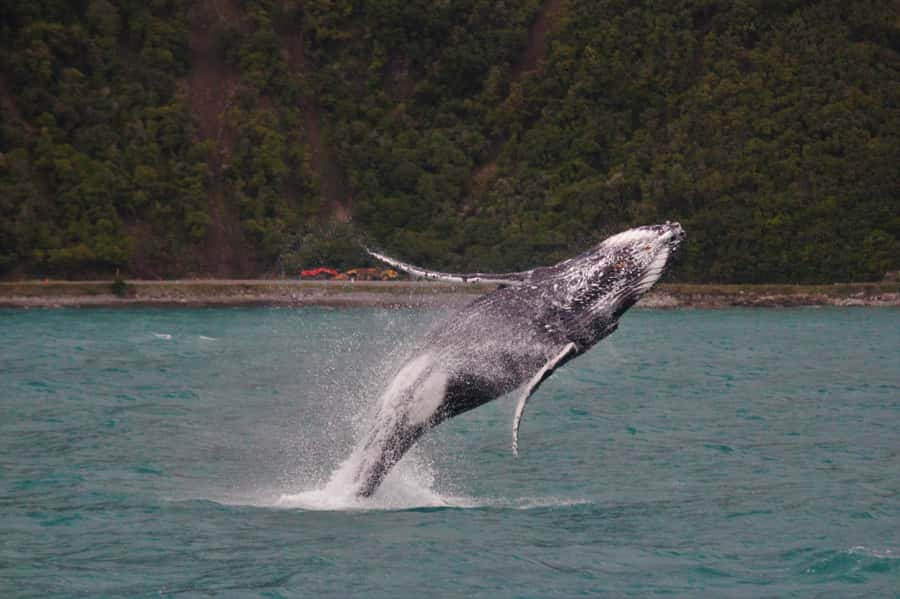
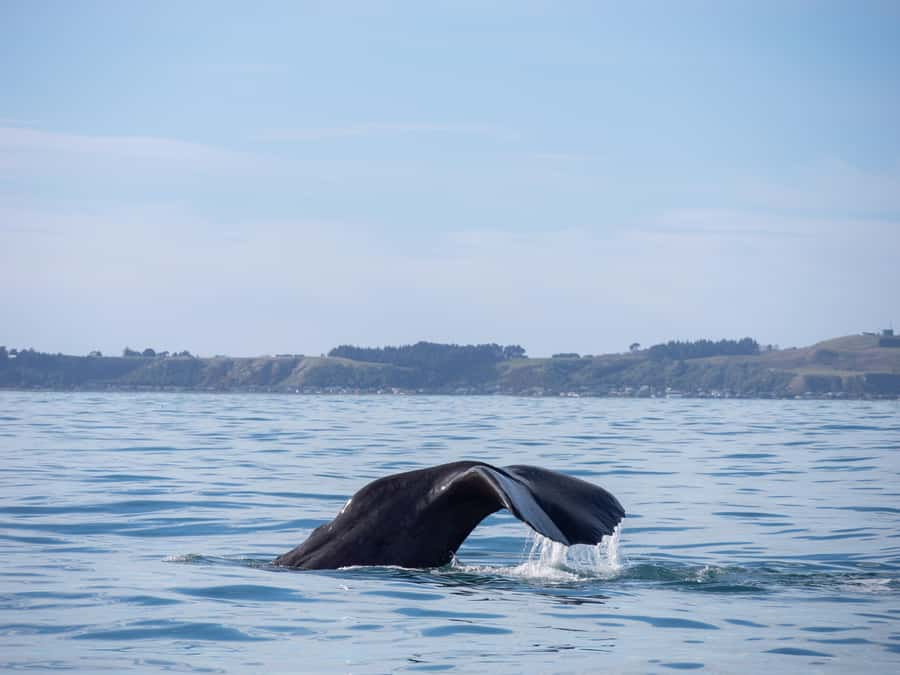
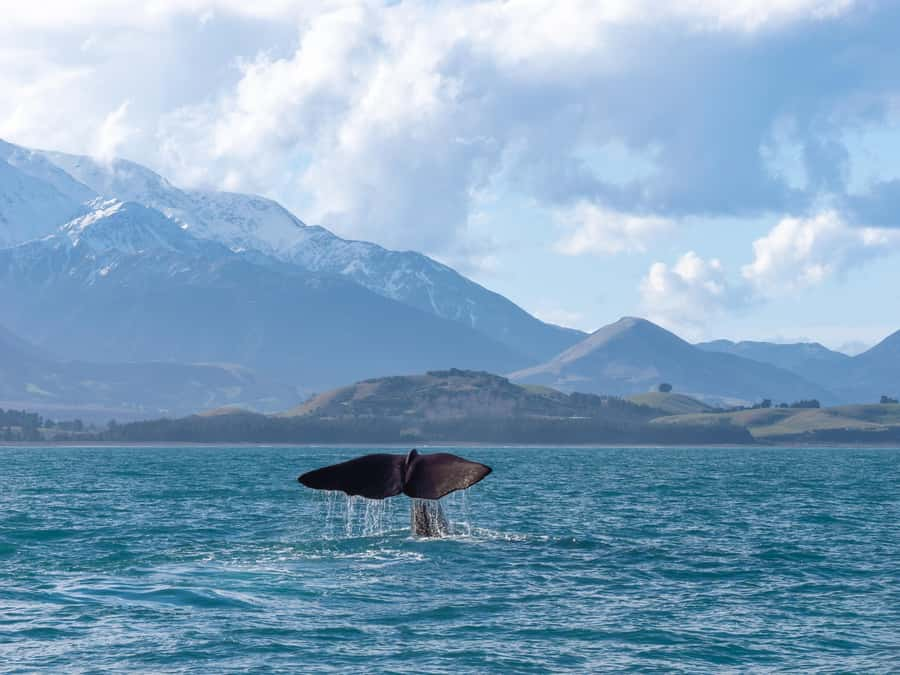
Kaikoura’s star attraction is the giant sperm whale, a huge toothed predator that spends much of its time in the waters off this coast. The cruise gives you a real chance to see one breathing at the surface before it slips below, often showing its distinctive tail at the last moment. Whales are wild animals, so sightings vary, but the crew uses sonar, local knowledge, and careful searching to improve your odds.
I especially like the strong marine-life commentary, which covers whale behavior, seabirds, dolphins, and local Māori connections. I also like the spacious catamaran, with outdoor viewing decks, comfortable indoor seating, and screens that explain what you are seeing. The main drawback is rough water. If you are prone to motion sickness, prepare before arrival, since some departures can be very choppy.
Quick takeaways from the Kaikoura cruise
- Sperm whales are the main event: Watch for a whale at the surface, then its broad tail as it heads below.
- The wildlife list can grow fast: Dolphins, fur seals, albatross, orcas, pilot whales, blue whales, and humpbacks have all been seen on departures.
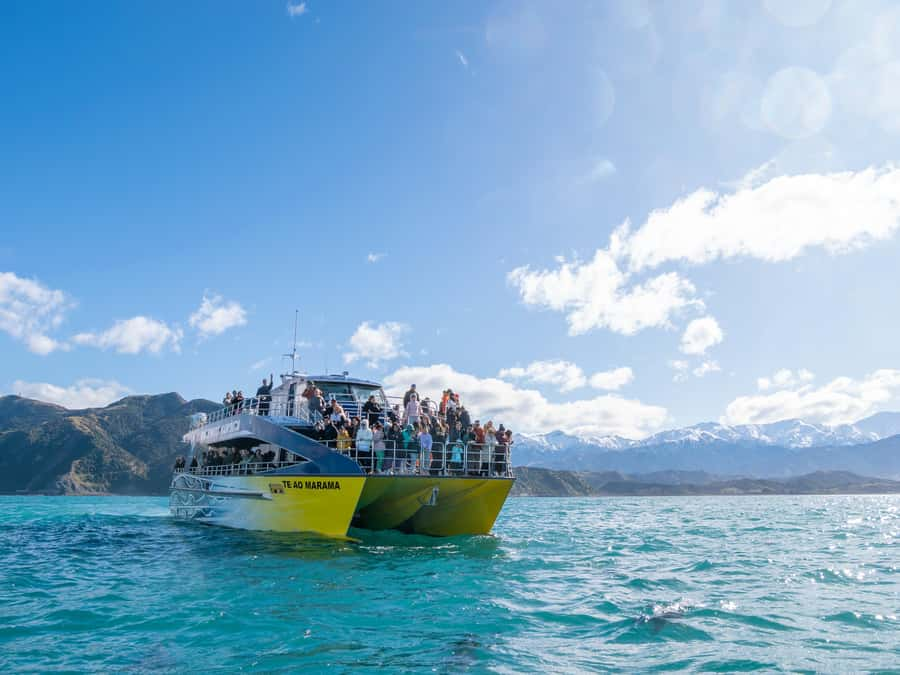
- A modern catamaran helps: Outdoor decks give you photo space, while the air-conditioned cabin offers a calmer place to sit.
- The crew adds real context: Guides explain marine science, whale behavior, conservation, and Māori connections to the sea.
- Allow 3 hours 15 minutes: The water time is just over two hours, with check-in, safety instructions, and bus transfers added.
- Weather matters: Bad conditions can change the departure time, and the operator may reschedule the cruise.
Why Kaikoura is such a good place for whale watching
Kaikoura sits beside unusually productive marine waters. You do not need to know the science in detail to appreciate the result: large whales and seabirds feed offshore, while dolphins and seals often pass through the same area.
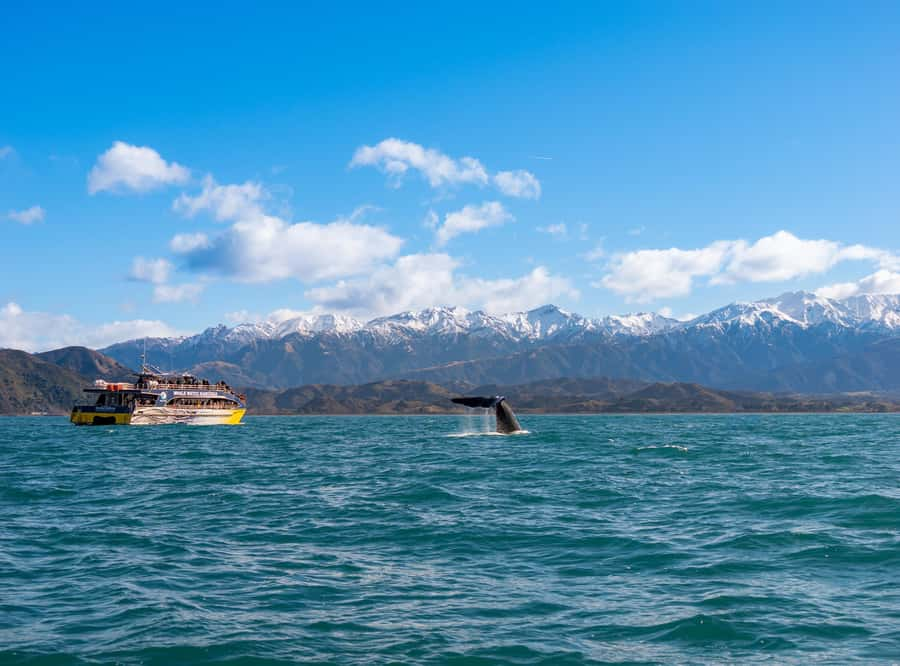
The main target is the giant sperm whale. This species can spend a long time at the surface, breathing and preparing for its next descent. That gives the crew a chance to locate it, position the boat, and warn you when the whale is likely to show its tail.
The scenery adds another layer. From the water, you can look back toward Kaikoura’s mountainous coast. The combination of steep hills, open sea, and marine wildlife makes the trip more than a simple search for one animal.
Still, keep your expectations sensible. This is not a guaranteed wildlife performance. One departure may produce several whales and hundreds of dolphins. Another may bring distant sightings or no whale at all. The operator has offered a substantial partial refund when no whale was found, but you should treat any refund policy as something to confirm at booking.
More Whale Watching Cruises in New Zealand:
- Whale Watching in Kaikoura by Boat
★ 4.5 · 2,906 reviews - Auckland: Whale and Dolphin Watching Half-Day Eco Cruise
★ 4.5 · 1,072 reviews - Auckland: Tikapa Moana Whales, Dolphins and Islands Cruise
★ 3.9 · 292 reviews
From the Kaikoura office to the open sea
You begin at the Whale Watch Kaikōura office, the meeting point for check-in. From there, a short bus transfer takes you to the boat. The process is designed to keep the harbour transfer separate from the water portion, so allow more time than the advertised cruise length.
The complete experience takes about 210 minutes. The actual time on the water is a little over two hours, with check-in, a safety briefing, and transfers making up the rest. That matters if you are fitting the trip between a long drive, a meal, or another booked activity.
The exact departure time can change. Weather and boat availability may affect the schedule, and the operator confirms the final time by email after booking. Check your messages before heading out, especially if your itinerary around Kaikoura is tight.
A comfortable catamaran with room to move
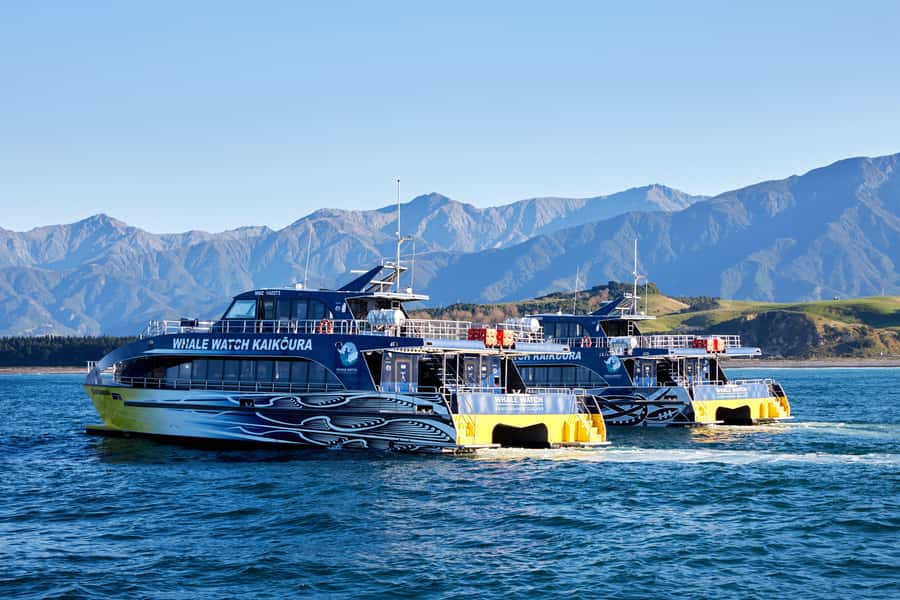
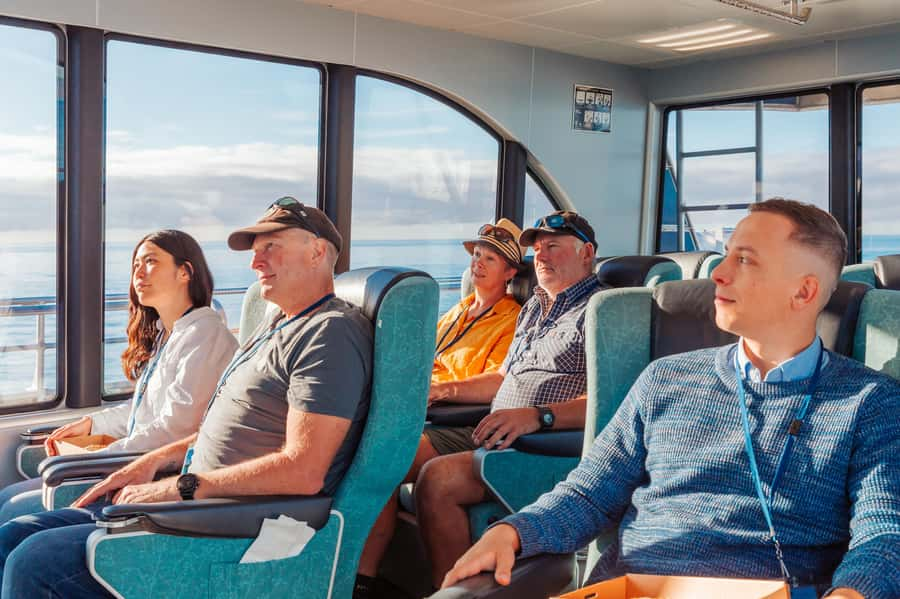
The vessel is one of the better parts of the experience. It has large outdoor decks, so you can spread out rather than remain fixed in one seat. That is useful when a whale appears on one side of the boat and then surfaces somewhere else.
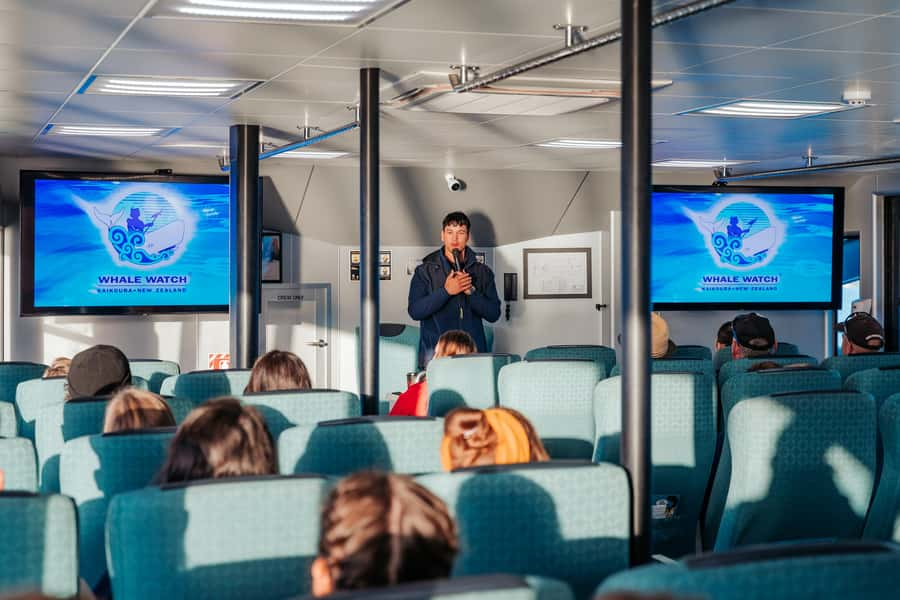
You will also find an air-conditioned interior with comfortable seats and plasma screens showing marine-life animations. These screens give you something useful to watch while the boat moves between wildlife locations. The cabin is particularly welcome if wind, spray, or sun becomes tiring.
The catamaran has engines designed to reduce underwater noise, along with nonpolluting toilets. Those details do not make the trip silent or impact-free, but they show an effort to limit the boat’s effect on the marine setting.
Passenger numbers are kept below the vessel’s full capacity. The boat can still feel busy on a popular departure, but there is generally enough room to move between the cabin and viewing areas. If photography matters to you, head outside when the crew announces an animal and claim a sensible viewing spot without blocking someone else.
Searching for the first whale
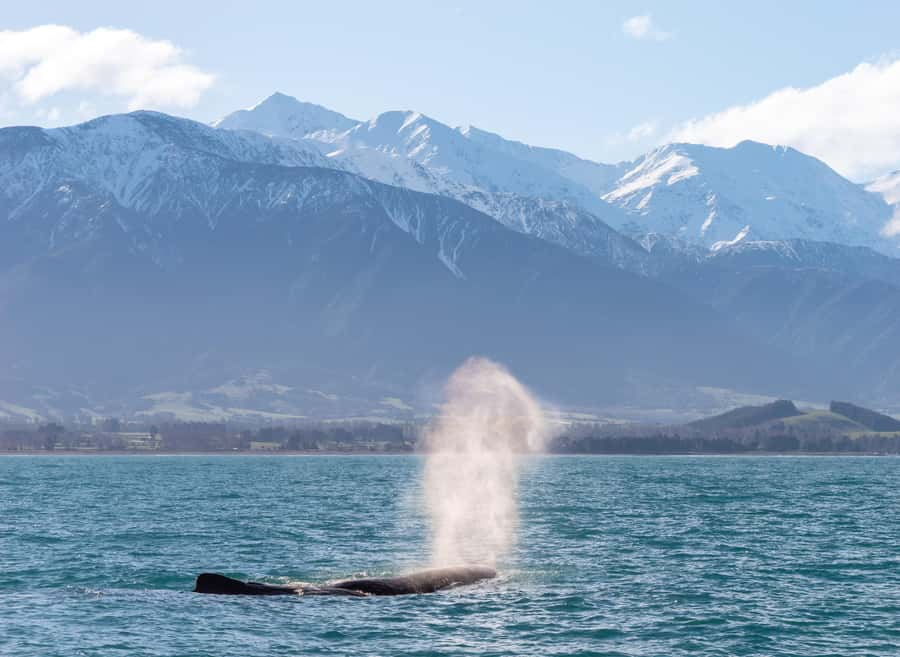
Once offshore, the crew begins looking and listening. The boat may travel between locations while guides explain the area, whale behavior, and the creatures you may encounter. Sonar and underwater sound help the crew locate whales, and some departures use a hydrophone so you can hear whale clicks.
The first sighting may be brief. A sperm whale can appear as a blow at the surface, remain visible for several minutes, and then lower its body into the water. The crew usually gives you warning before the final tail display, which helps you stop fumbling with your camera at the crucial moment.
Do not expect the whale to pose close to the boat for a long time. Some sightings are near and dramatic. Others are farther away, with the whale’s blow and back visible against the sea. Your best experience comes from watching the animal rather than trying to record every second.
The boat’s movement can be brisk. This helps it cover ground, but speed and swell can make the ride uncomfortable. Several departures have been described as very choppy, with seasick passengers needing assistance. Take motion-sickness medication before arriving if you know you need it. Tablets are also available for purchase at the office.
A few more days afloat around New Zealand worth a look
- Waitomo: Glowworm Caves Guided Tour by Boat
★ 4.5 · 4,908 reviews - Premium Milford Sound Small Group Tour & Cruise from Queenstown
★ 5.0 · 3,001 reviews - Cruise Milford NZ Small Boutique Cruise Experience
★ 5.0 · 2,930 reviews - Queenstown: Walter Peak Gourmet BBQ & Lake Whakatipu Cruise
★ 4.8 · 2,713 reviews
Dolphins, seals, and the surprise sightings
The sperm whale is the advertised focus, but the extra wildlife can become the most memorable part of your morning. Dusky dolphins are frequent stars. Large pods may swim alongside the boat, leap, and turn through the waves. One reported encounter involved roughly 300 dolphins watched for 15 to 20 minutes.
Fur seals may appear close to the vessel, usually offering easier viewing than a whale that spends much of its time below the surface. Seabirds are another strength of this trip. Keep watch for wandering albatross, other albatross species, Cape petrels, and additional birds moving over the water.
The sightings can be unusually varied. Departures have included orcas, pilot whales, humpbacks, blue whales, and sharks. You should not book based on any one of these animals, since none is guaranteed. Think of them as possible additions to a whale-focused cruise.
The crew’s ability to change the experience is important here. A good captain can follow sound and reports from the water, then position the boat without chasing animals aggressively. Guides including Caolan and Mikayla have been singled out for clear explanations and friendly support, while Captain Jack has been praised for placing the boat well for whale sightings. Crew assignments can change, but the general standard of presentation is a key part of the outing.
Commentary with science and Māori perspective
The narration gives the cruise structure. Instead of simply waiting for a blow, you learn what to look for, why sperm whales use these waters, and how different birds and dolphins fit into the marine system.
The presentation also includes Māori knowledge and the connection between Ngāi Tahu and the sea. That local perspective adds meaning to the wildlife encounter. You are not just looking at animals as scenery. You are hearing about a place with cultural ties and responsibilities.
The onboard animation helps explain marine behavior in a simple way, while the crew’s live commentary fills in what the screens cannot. At its best, the presentation is informative without becoming a lecture. Some narration may feel repeated on the return journey, especially after the main sightings, but there is usually enough scenery and open-deck viewing to keep the ride pleasant.
What the rough water means for you
Motion sickness is the one serious practical concern. Kaikoura’s offshore conditions can be lively, and the boat’s size does not remove the effects of wind and waves. You may enjoy the fast ride, but you should not assume that a modern catamaran will feel smooth.
Take precautions before check-in if you are susceptible. Eat sensibly, follow the crew’s instructions, and keep your attention on the horizon when possible. The office sells motion-sickness tablets, but taking your preferred remedy in advance is the safer plan.
The crew helps passengers who become unwell, and sick bags are available. Still, severe seasickness can prevent you from enjoying the wildlife or even using the outdoor decks. If you already know that boat trips are difficult for you, this is the main reason to reconsider.
Children must be at least three years old, though the minimum age can depend on sea and weather conditions at check-in. Smoking is not permitted. The vessel is wheelchair accessible, but you should confirm any specific mobility needs when booking.
Is $104 a fair price?
At $104 per person, this is not a cheap sightseeing ride, but the value is reasonable if whale watching is high on your New Zealand wish list. You are paying for a purpose-built marine operation, a long water outing, trained crew, transport between the office and boat, narration, and access to a region where several kinds of wildlife may appear on the same trip.
The price feels strongest when you see more than one type of animal. A sperm whale followed by dolphins, seals, and albatross gives the outing a full morning of value. Even a single well-positioned whale can make the price worthwhile if you have come specifically to see this species.
The value is weaker if you dislike rough water or expect guaranteed close-up encounters. You might spend much of the trip moving between search areas, and a whale can remain distant. The operator’s response to an unsuccessful departure is worth checking, since one departure resulted in an 80 percent refund when no whale was found.
Food and drinks are not included. Bring what you need, but avoid a heavy meal if motion sickness is a concern.
Who should book this cruise?
I would choose this trip if you have a flexible morning in Kaikoura and want the best chance of seeing a sperm whale in the wild. It suits people who enjoy natural history, photography, coastal scenery, and the possibility of unexpected sightings.
Families with children aged three and over can consider it, provided the sea conditions are suitable and the child handles boat travel well. The indoor cabin, toilets, and clear presentation help, but a rough day can still be demanding for young children.
This is also a good fit for visitors who care about the way wildlife tours are run. The reduced-noise engines, nonpolluting toilets, attention to animal welfare, scientific material, and Māori perspective all add substance to the outing.
I would be cautious if your schedule has no room for a weather change. The cruise may be rescheduled, and the final departure time can differ from the time you request. Free cancellation up to 24 hours before departure and reserve-now, pay-later booking make planning easier, but they do not remove the risk of a weather disruption.
Should you book Whale Watch Kaikoura?
Book it if seeing a sperm whale is one of your main reasons for visiting Kaikoura. The combination of strong crew presentation, a well-equipped boat, mountain views, and the chance of dolphins, seals, albatross, or rarer whales gives the trip real substance.
Go in prepared for the sea. Take motion-sickness precautions, allow 3 hours 15 minutes, keep your schedule flexible, and bring a jacket for the outdoor decks. If you can accept that wildlife is unpredictable, this is one of Kaikoura’s most rewarding outings. If you need calm water and guaranteed close-up views, spend your $104 elsewhere.
FAQ
How long does the Kaikoura whale-watching experience take?
The full experience lasts about 210 minutes, or 3 hours 30 minutes according to the listed duration. The time on the water is just over two hours, with check-in, a safety briefing, and bus transfers included in the overall visit.
How much does the cruise cost?
The listed price is $104 per person.
What animals might I see?
The main target is the giant sperm whale. You may also see fur seals, dolphins, wandering albatross, other seabirds, orcas, pilot whales, blue whales, humpbacks, and sharks. Wildlife sightings are not guaranteed.
Where does the tour start?
You meet at the Whale Watch Kaikōura office. A short bus transfer takes you from the office to the boat.
Is the cruise suitable for children?
The minimum age is three years old. The final age decision can depend on sea and weather conditions at check-in. Children under three are not permitted.
What should I do if I get seasick?
Take motion-sickness precautions before arriving at the office. Motion-sickness tablets are available for purchase there, but rough water can still make the cruise uncomfortable.
Is the boat wheelchair accessible?
Yes, the activity is listed as wheelchair accessible. Contact the operator in advance if you have specific access requirements.
Is food included?
No. Food and drinks are not included in the price.
What happens if the weather is poor?
The cruise operates only in favorable weather conditions. The operator confirms the exact tour time by email after booking and may change or reschedule the departure if conditions require it.
Just added around New Zealand
- Queenstown: Queenstown Lake Cruise and Walter Peak Farm Tour★ 4.8 · 950 reviews
- Queenstown: Milford Sound Small-Group Tour w Cruise & Lunch★ 4.9 · 523 reviews
- Queenstown: Lake Whakatipu Boat Trip★ 4.7 · 633 reviews
- Queenstown: Milford Sound Flight and Cruise★ 4.9 · 283 reviews
- Queenstown: Lake Wakatipu Scenic Cruise★ 4.7 · 264 reviews
- Queen Charlotte Track: Cruise & Self-Guided Hike from Picton★ 4.8 · 383 reviews
- Queen Charlotte Sound Mail Boat Cruise from Picton★ 4.7 · 541 reviews
- Paihia: Glass Bottom Boat Tour to the Hole in the Rock★ 4.7 · 319 reviews
New Zealand Boat Tours, compared.


Premium Milford Sound Small Group Tour & Cruise from Queenstown
Read our review →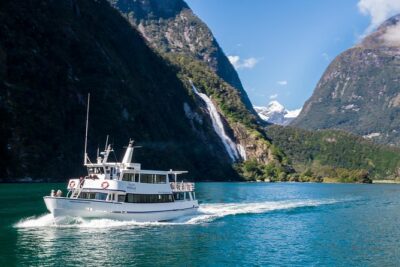
Cruise Milford NZ Small Boutique Cruise Experience
Read our review →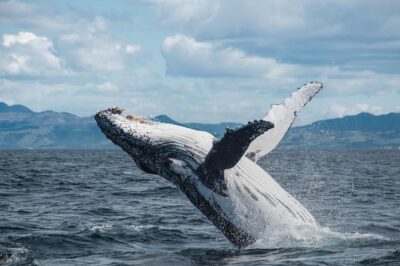
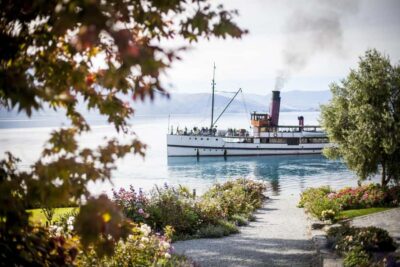
Walter Peak Gourmet BBQ & Lake Whakatipu Cruise
Read our review →
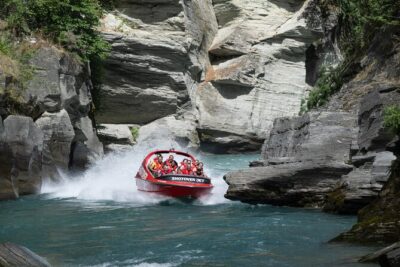
Shotover River Extreme Jet Boat Ride in Queenstown
Read our review →Browse the lists this tour appears in