
Review · NEW YORK CITY
NYC: Around Manhattan Official NYC Architecture Cruise
Manhattan’s best architecture tour may begin where the city’s streets end: on the water. This 165-minute cruise circles the entire island, passing beneath all 18 bridges and showing you how Manhattan developed from a harbor settlement into a vertical city.
I like the assigned seating in the grand salon, which removes the usual scramble for a good table. I also like the mix of famous buildings and less familiar infrastructure, from Frank Gehry’s 8 Spruce Street to the Harlem River’s swing and lift bridges. The main consideration is the price, $113 per person, and the age limit: children must be at least 12.
Key points
- A full circuit of Manhattan: Sail the Hudson, East, and Harlem rivers, passing under all 18 bridges.
- Architecture with context: Guides connected with AIANY explain buildings, urban planning, public housing, renewal, and waterfront development.
- A comfortable classic yacht: The 1920s-style boat has assigned salon seating, heating or air-conditioning, and open decks.
- Great views of major icons: See the Statue of Liberty, Brooklyn Bridge, Woolworth Building, Wall Street towers, and One World Trade Center from the water.
- More than a sightseeing cruise: The route includes engineering works, memorials, bridges, and changing waterfront districts.
- A calm, adult-oriented outing: The tour is limited to ages 12 and up, with one drink included and food available to purchase.
Why the Waterfront Is the Best Classroom
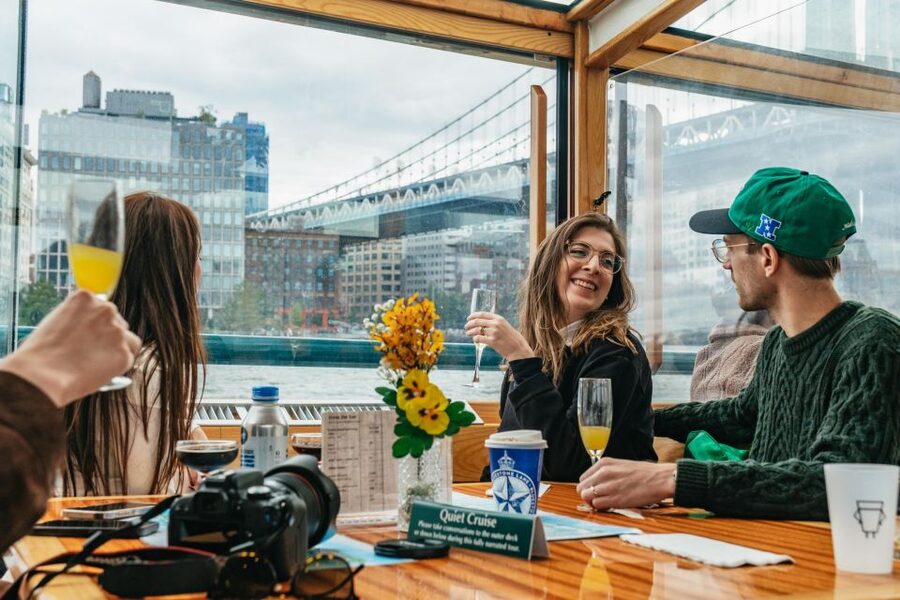
From the street, Manhattan can feel like a canyon of separate neighborhoods. From the water, the pieces come together. You can see the island’s edges, bridges, docks, towers, parks, memorials, and housing projects in one long sweep.
That wider view is the real value of this cruise. The guide does not simply point out a famous building and name its architect. The commentary connects buildings to planning choices, transportation, wealth, industry, postwar redevelopment, and the changing use of the shoreline.
The tour is hosted by architects and members of the American Institute of Architects New York Chapter. That matters because the talk is aimed at curious visitors, not only at design professionals. You can enjoy the skyline without knowing the difference between a cantilever and a cornice, yet still come away with a clearer idea of why New York looks the way it does.
Friday afternoon departures may focus on climate change in and around New York City. If that subject matters to you, check the theme before booking. It can give the trip a stronger environmental and planning focus than the standard architecture presentation.
A few more days afloat around New York City worth a look
- NYC: Circle Line 2h Harbor Lights Cruise Skip-The-Box-Office
★ 4.6 · 8,222 reviews - NYC: Circle Line 2.5 Hour Best of NYC Boat Cruise
★ 4.5 · 7,268 reviews - NYC: Statue of Liberty Express Skip-the-Box-Office Cruise
★ 4.6 · 4,873 reviews
Boarding a 1920s-Style Yacht
The boat is part of the experience, not just transportation. This elegant 1920s-style yacht offers a more intimate setting than the large sightseeing boats that carry crowds around the harbor.
Comfortable seating is assigned in the grand salon. That small detail makes a difference during a trip lasting nearly three hours. You do not have to arrive early and defend a table, and you can settle in for the lecture without constantly moving to make room for someone else.
The salon is heated or air-conditioned, so the tour remains workable in cold weather or summer heat. You can also walk out to the outer decks for fresh air and photographs. On sunny days, you might spend much of the cruise outside, but wind can make the guide harder to hear at the very front of the boat. For the clearest commentary, stay near the main salon or an onboard speaker.
One drink is included. Food selections are available for purchase, and the onboard bar offers additional refreshments. Some departures have a relaxed champagne-and-snacks feel, but this is not meant to be a party boat. The focus is architecture, history, and the changing city.
Lower Manhattan, Memorials, and New York’s Vertical Ambition
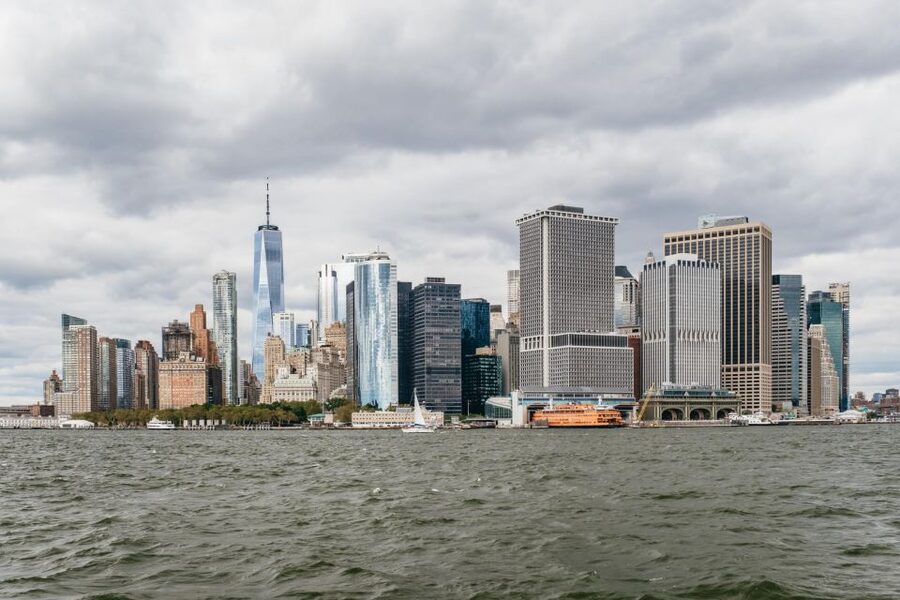
The route gives you a powerful view of lower Manhattan from the water. One World Trade Center rises above the former World Trade Center site, while the guide explains the memorial area and the rebuilding of downtown.
From offshore, the scale of the site becomes easier to grasp. You see the memorial grounds, towers, transportation links, and surrounding streets as parts of a larger effort to rebuild a major section of the city. The discussion also places the waterfront memorials in the wider story of Manhattan’s public spaces.
This portion of the cruise is especially useful if you have visited the memorial on foot but want to understand how it relates to the Hudson River, the Battery, and the southern tip of the island. The water view gives you room to take in the whole arrangement instead of focusing on one building or one plaza.
The skyline then shifts to Manhattan’s older symbols of power. You may see the Woolworth Building, Wall Street’s art deco spires, and other classic lower Manhattan towers. The contrast between older masonry, decorative skyscrapers, and recent glass construction gives the guide plenty to work with.
The Statue of Liberty Photo Opportunity
The harbor section includes one of the best views of the Statue of Liberty available without a separate trip to Liberty Island. The boat comes close enough for strong photographs while continuing around Manhattan.
This does not replace a visit if you want to land on Liberty Island or climb inside the statue. It does, however, save time if your goal is a clear view and a sense of how the statue relates to the harbor, lower Manhattan, and New Jersey.
I especially like this part for first-time visitors. The statue is familiar from photographs, but seeing it from a moving boat gives you a better sense of its place at the harbor entrance. Keep your camera ready, but do not spend the whole time looking through a screen. The view changes quickly as the boat moves past.
Same water, a different boat:
- NYC: Circle Line 1.5-Hr Landmarks Skip-The-Box-Office Cruise
★ 4.6 · 4,778 reviews - NYC: Circle Line “The Beast” Midtown/Downtown Speedboat Ride
★ 4.6 · 4,259 reviews - NYC: Starship Landmark 90 Minute Sightseeing Cruise
★ 4.6 · 3,666 reviews - Circle Line: 2.5hr – Complete Manhattan Island Cruise
★ 4.5 · 3,488 reviews
Gehry, Nouvel, and Downtown Starchitecture

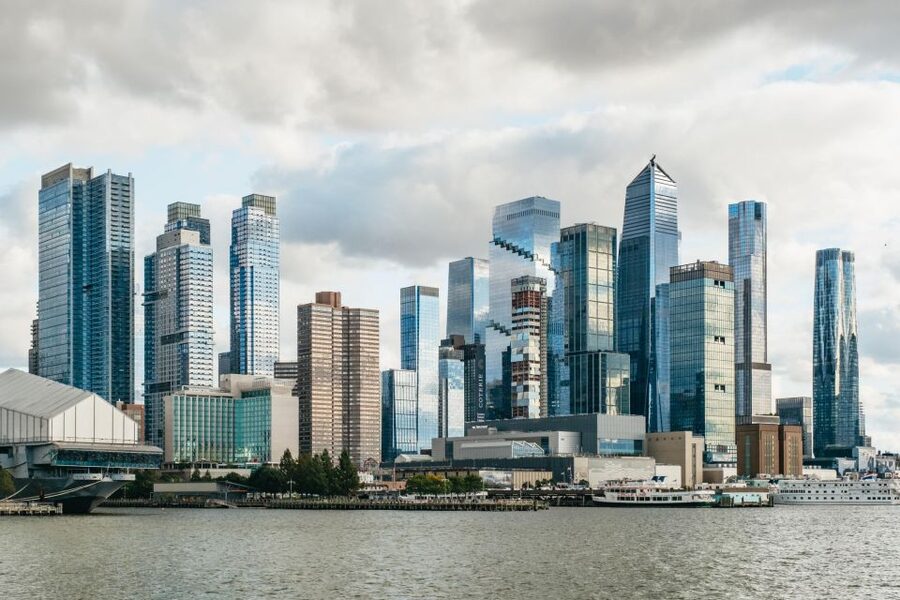
The architecture discussion becomes more current as the boat passes the newer towers and residential buildings along the waterfront. Frank Gehry’s 8 Spruce Street is a major example. Its rippling facade changes character with the light and the angle from the river.
You will also hear about Jean Nouvel’s 100 Eleventh Avenue condos, along with the broader idea of downtown starchitecture, buildings designed to make a strong visual mark on the skyline. The water is the right place to discuss these projects because you can see their full exterior form, not just the lobby or a small section of facade at street level.
The guide also explains why certain high-profile buildings appear where they do. Land, views, zoning, redevelopment, and the desire to create a recognizable skyline all shape the city. That turns a list of architects into a more useful lesson about how New York grows.
You do not need to love every modern building to enjoy this section. In fact, the cruise works best when it gives you enough context to form your own opinion. Some people will prefer the Woolworth Building’s ornament. Others will appreciate the bold forms of Gehry or Nouvel. The route lets you compare them without rushing from one address to the next.
Brooklyn Bridge and the East River Waterfront
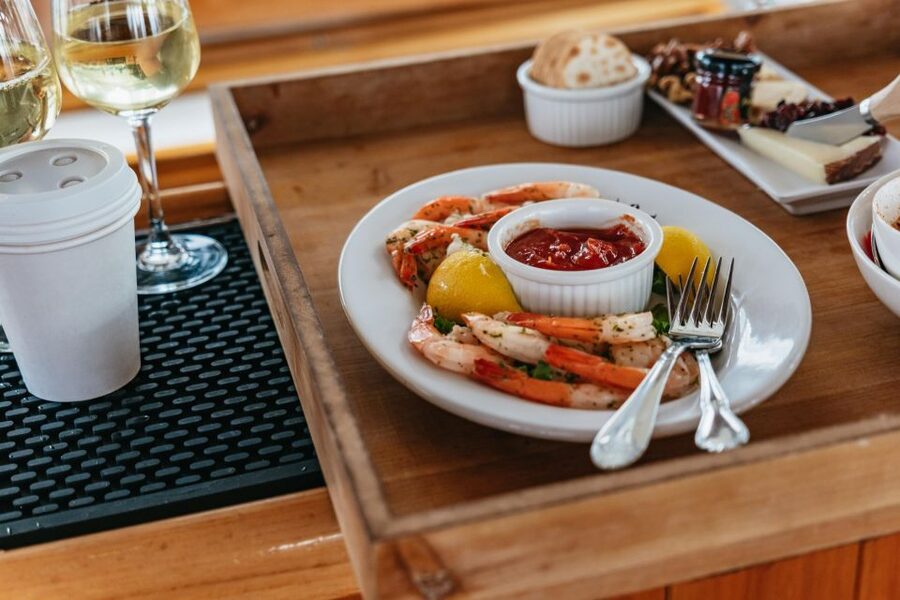
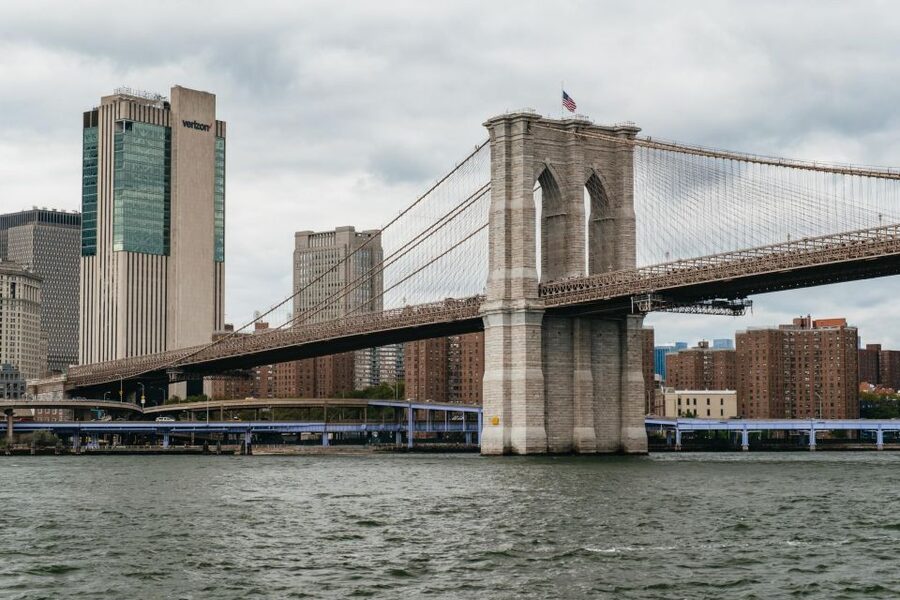
The Brooklyn Bridge is one of the cruise’s signature sights. From below, its stone towers and suspension cables reveal the engineering ambition behind a structure that has become a symbol of New York.
Seeing the bridge from the river also changes its scale. On foot, you experience the walkway and the towers. From the boat, you see how the bridge links Manhattan and Brooklyn, how its approaches fit into the waterfront, and how later roads and buildings grew around it.
The East River portion also brings the city’s newer waterfront development into view. The guide discusses the waterfront as Manhattan’s unofficial sixth borough, a useful way to think about the shore as a connected zone rather than a series of unrelated piers.
This is where the cruise moves beyond postcard landmarks. You learn about redevelopment, residential construction, public access, and the long relationship between New York and its rivers. The city’s edge has been a working port, an industrial zone, a neglected barrier, and a major public amenity at different times.
Public Housing and Postwar Urban Renewal
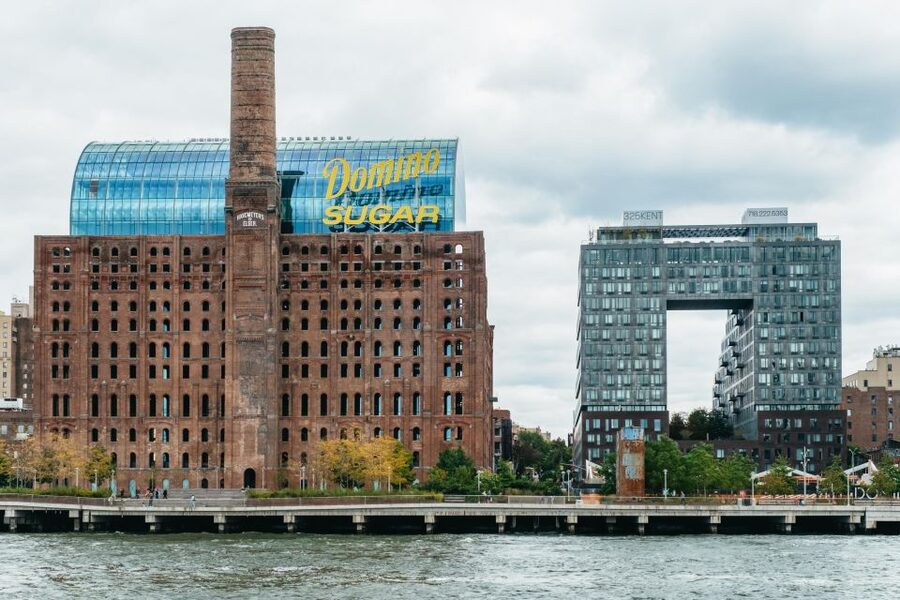
The cruise does not show only expensive towers. Along the East River, the guide discusses postwar urban renewal and public housing, giving you a fuller picture of who has lived beside Manhattan’s most valuable real estate.
That balance is important. A skyline tour can easily become a parade of luxury towers and corporate headquarters. This one also looks at the decisions that displaced neighborhoods, reshaped roads, and produced large housing developments.
The water view helps explain the physical logic of these projects. You can see their size, spacing, relationship to the river, and separation from the older street grid. The talk gives you a chance to consider both the need for housing and the costs of large-scale redevelopment.
For visitors interested in urban planning, this may be the most rewarding part of the route. You are not just looking at buildings. You are examining choices about land, access, housing, industry, and public space.
Harlem River Bridges and Great Engineering Works

The Harlem River section brings a different kind of architecture into focus. Here, the bridges are not simply fixed crossings. You may see swing bridges, lift bridges, and fixed-span designs, each suited to a particular mix of road traffic, rail lines, waterways, and clearance needs.
These structures are easy to miss from a taxi or subway. From the boat, their machinery and scale become part of the show. The guide explains how the bridges work and why the Harlem River requires several different solutions.
This is one of the route’s strongest arguments for taking the cruise instead of relying on a standard skyline boat. The famous towers are easy to find on land. The working bridges and less celebrated infrastructure are much harder to understand unless you see them from the river.
The northern end of Manhattan also gives you a different skyline. The views toward northern Manhattan and the New Jersey Palisades can feel surprisingly open after the close-packed towers downtown. The island begins to look less like a wall of buildings and more like a long, irregular piece of land shaped by water and transport.
What the 165 Minutes Feel Like
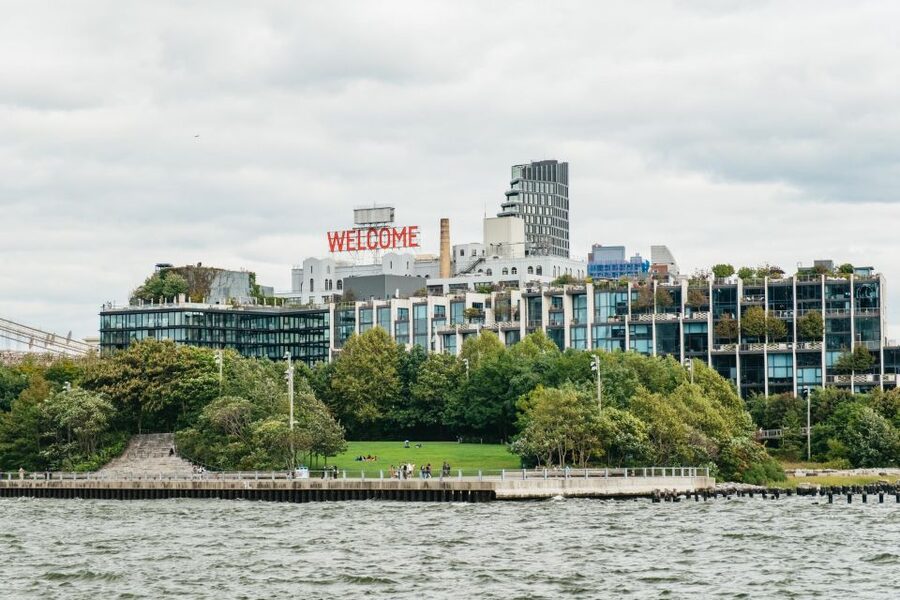
Three hours on a boat sounds long until you consider the route. The cruise covers the Hudson, East, and Harlem rivers, so the scenery keeps changing. The boat moves at a relaxed pace, giving the guide time to explain what you are seeing without turning the talk into a rushed list.
I would not choose this as a quick activity between two timed museum visits. The 165-minute schedule needs room in your day, and the boat may last close to the full advertised duration. That is a benefit if you want a proper overview, but a drawback if you prefer short, fast stops.
The assigned table makes the length easier. You can listen indoors, step outside for photos, and return to your seat without losing your place. One included drink adds to the relaxed feel, while additional food and drinks are available onboard for purchase.
Some people will find the continuous commentary too much if they want silence. Others will appreciate that the guide keeps the information moving throughout the journey. If you prefer a quiet harbor ride with only occasional announcements, this is not the right boat. The educational talk is the point.
Who Will Get the Most From This Cruise
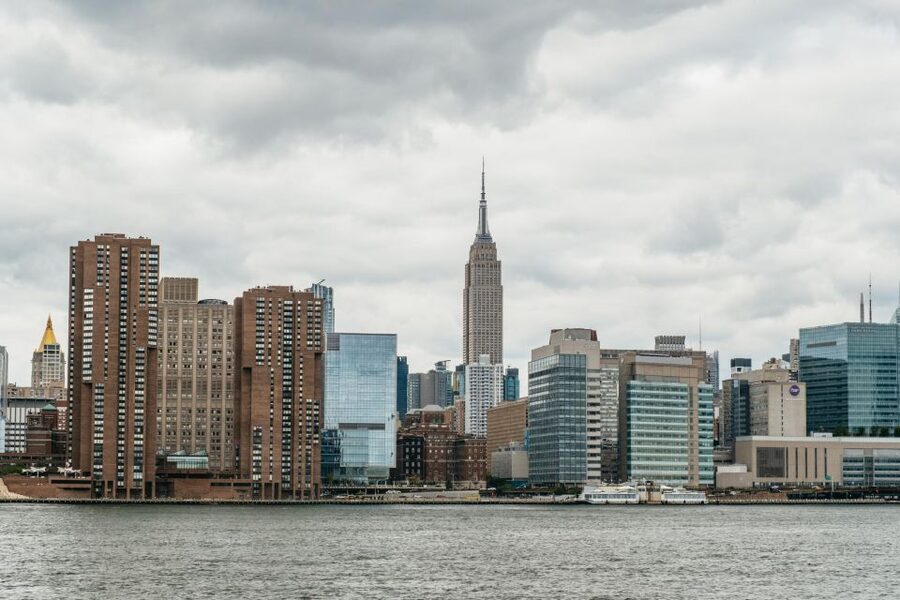
I would recommend it first to people interested in architecture, history, engineering, real estate, or urban planning. You do not need specialist training. Curiosity is enough.
It is also a smart choice for a first visit to New York because the route gives you a broad sense of Manhattan’s shape and surroundings. The water helps you get your bearings quickly, and the guide points out places you may want to explore later on foot.
Repeat visitors can get just as much from it. The cruise reaches parts of the shoreline that are easy to overlook, and the commentary adds detail to buildings you may already recognize. One visitor who had lived in Manhattan found the tour worthwhile, which says something about the depth of the presentation.
The boat is less suitable for young children, since the minimum age is 12 and the talk is detailed. It is also not a good match for anyone looking for a lively booze cruise. Some departures have champagne, a bar, and snacks, but the tone is calm and instructional.
Assistance dogs that perform a manual task are permitted. Emotional support animals and pets are not. If you need help boarding, contact the operator ahead of time because accessibility varies by boat.
Is $113 a Fair Price?
At $113 per person, this is not the cheapest way to see the skyline. You can find shorter harbor rides for less, and public transport can give you water views at a fraction of the cost.
The comparison is not quite fair, though. This cruise lasts 165 minutes, circles the whole island, includes an architect or AIANY guide, provides assigned seating, and includes one drink. You are paying for a long, structured presentation as well as the boat ride.
The value is strongest if you would otherwise pay for several separate activities: a skyline cruise, a bridge-view outing, and a guided architecture walk. It is less compelling if you only want a quick photograph of the Statue of Liberty or a simple sunset ride.
The small-boat setting, indoor comfort, and personal attention also help justify the cost. I would think of it as a half-day cultural tour with views, not as basic transportation on water.
Practical Tips for a Better Day
Bring a passport or other ID card, as requested for the activity. Wear layers even in warm weather because the outer decks can be breezy, while the salon may feel quite different.
Arrive ready to use both the indoor and outdoor areas. The salon is best for hearing the guide clearly, and the open decks are best for photographs and fresh air. If wind affects the sound at the front of the boat, move closer to the main seating area.
Check the meeting point for your selected departure because it may vary by option. Confirm the Friday theme if you want the standard architecture presentation rather than the climate change version.
Large group bookings are not permitted. Multiple separate bookings can bring added fees or cancellation by the operator, so arrange group travel through the company before buying several reservations.
Free cancellation is available up to 24 hours in advance for a full refund, and you can reserve now and pay later. That flexibility is useful when weather or a busy New York schedule is still uncertain.
Should You Book the Around Manhattan Architecture Cruise?
Book it if you want to understand New York rather than simply photograph it. The full island circuit, architect-led commentary, Harlem River bridges, waterfront planning, and classic skyline views give the tour real substance.
I would especially choose it early in a New York visit. You will see the city from a new angle, learn where its major districts fit together, and pick up ideas for later walks.
Skip it if you want a short, inexpensive harbor ride, a child-focused activity, or a quiet cruise without regular narration. At $113, it asks you to value expert interpretation and comfortable pacing.
For architecture fans, first-time visitors, returning New Yorkers, and anyone who likes seeing how cities work, this is a strong use of half a day. The boat is pleasant, but the real prize is the understanding you gain as Manhattan slowly comes full circle.
FAQ
How long is the Around Manhattan architecture cruise?
The cruise lasts 165 minutes, or two hours and 45 minutes.
What rivers does the tour visit?
The route travels along the Hudson River, East River, and Harlem River while circling Manhattan.
How many bridges does the cruise pass under?
The advertised route passes under all 18 bridges around Manhattan.
Is the tour suitable for children?
Children must be at least 12 years old to join the tour.
Is food included?
One drink is included. Food selections and additional refreshments are available for purchase onboard.
What language is the tour conducted in?
The live guided tour is conducted in English.
Just added around New York City
- NYC: Manhattan & Statue of Liberty Cruise with Shuttle Bus★ 4.6 · 316 reviews
- NYC: Statue of Liberty Sunset Cruise Skip-the-Line Ticket★ 4.5 · 1,397 reviews
- NYC: City Cruises Luxury Brunch, Lunch or Dinner Cruise★ 4.6 · 881 reviews
- NYC: City Cruises Brunch, Lunch, or Dinner Buffet Cruise★ 4.3 · 417 reviews
- New York City: Gourmet Dinner Cruise with Live Music★ 4.2 · 1,074 reviews
- New York City: Sunset Sail Aboard a Schooner★ 4.9 · 344 reviews
- NYC: Holiday Yacht Cruise with Jazz, Cocoa & Carols★ 4.7 · 568 reviews
- New York City: Sunset Yacht Cruise★ 4.9 · 461 reviews
New York City Boat Tours, compared.
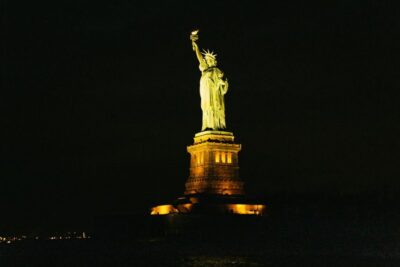
NYC: Circle Line 2h Harbor Lights Cruise Skip-The-Box-Office
Read our review →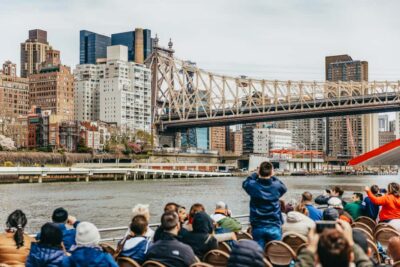
NYC: Circle Line 2.5 Hour Best of NYC Boat Cruise
Read our review →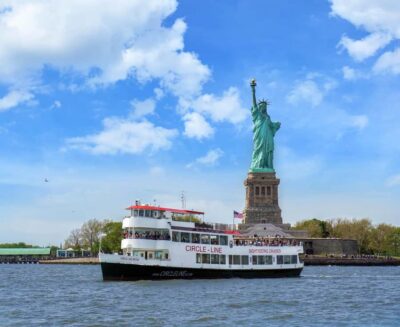
NYC: Statue of Liberty Express Skip-the-Box-Office Cruise
Read our review →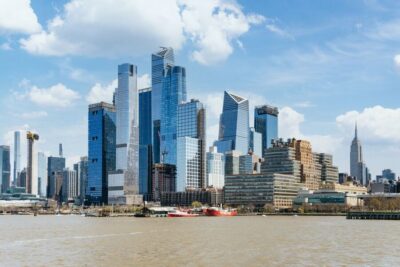
NYC: Circle Line 1.5-Hr Landmarks Skip-The-Box-Office Cruise
Read our review →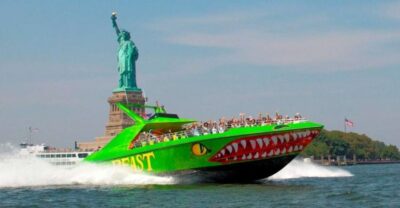
NYC: Circle Line “The Beast” Midtown/Downtown Speedboat Ride
Read our review →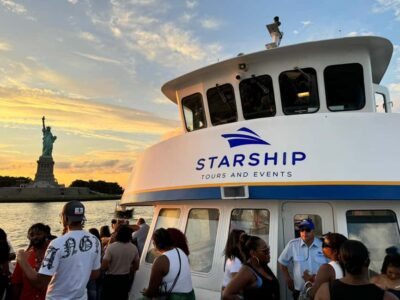
NYC: Starship Landmark 90 Minute Sightseeing Cruise
Read our review →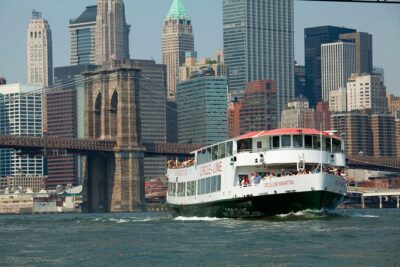
Circle Line: 2.5hr – Complete Manhattan Island Cruise
Read our review →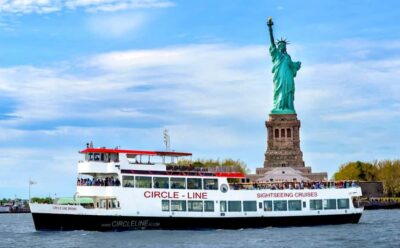
NYC: Circle Line 1-Hr Statue of Liberty Skip-The-Line Cruise
Read our review →Browse the lists this tour appears in