
Review · AUSTRALIA
Cairns: Daintree Rainforest Wildlife Experience Cruise
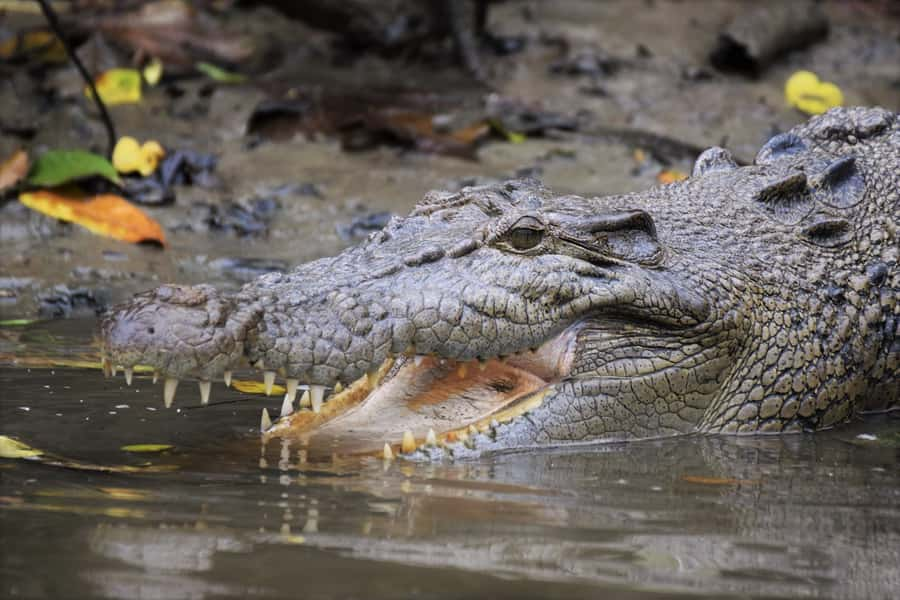
The best part of this Daintree experience is simple: you search for estuarine crocodiles in their real habitat, not in a zoo or fenced display. The boat slips through the mangrove-lined Daintree River while your guide scans muddy banks, floating logs, and dark water for the telltale shape of a reptile.
I like the one-hour length, which fits neatly into a day of exploring Cape Tribulation and the Daintree. I also like the guides’ strong wildlife-spotting skills, with names such as Charly, Adam, Chris, and Brouce praised for explaining the river as well as finding crocodiles. The main catch is that sightings vary, and hot weather can mean fewer visible crocodiles.
Key points to know before you go
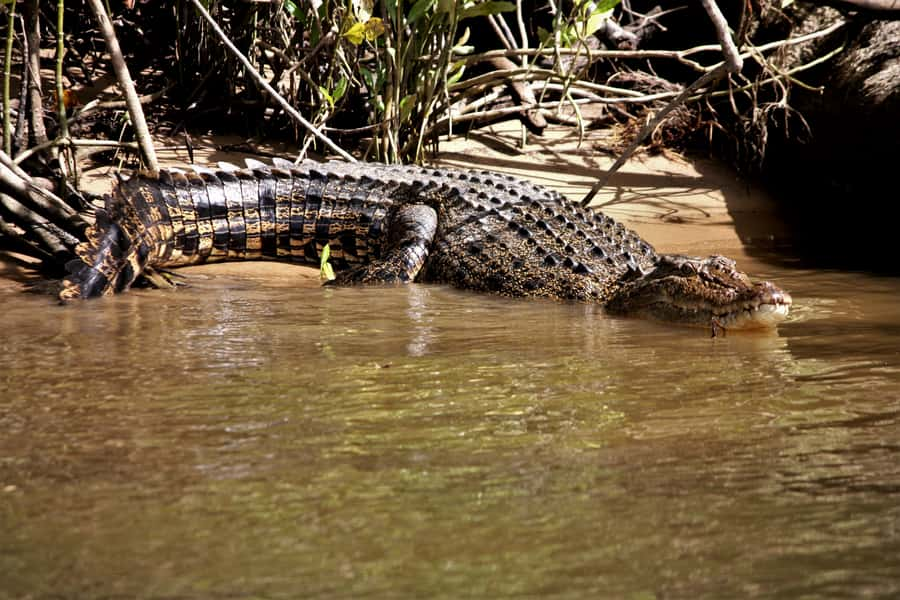
- Crocodiles in the wild: Look for estuarine crocodiles, including very large adults and, if luck is on your side, hatchlings.
- A short, focused cruise: One hour gives you a worthwhile wildlife outing without taking over your whole Daintree day.
- More than a crocodile hunt: Guides explain mangroves, birds, snakes, fish, and the river’s wider food chain.
- Good value at $24: The fare includes the cruise, a live English-speaking guide, and morning or afternoon tea.
- Bring your own transport: Transfers are not included, so plan to drive to the Daintree River Cruise Centre.
- Weather affects sightings: July and August may offer better crocodile viewing than very hot periods, according to the practical experience shared by visitors.
Cruising into the Daintree’s crocodile country
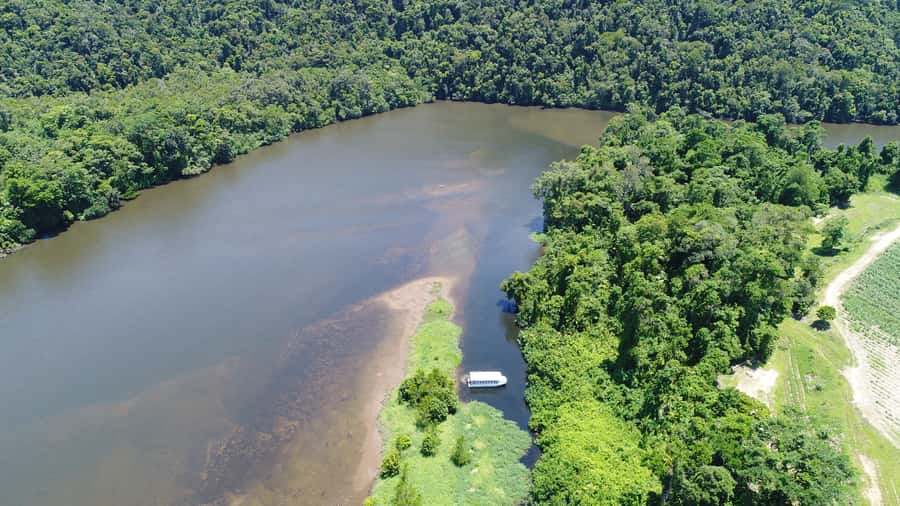
The Daintree River is not a backdrop for this trip. It is the main attraction. Your boat follows the winding waterway into a mangrove estuary, where freshwater and saltwater meet and a large mix of wildlife can survive.
The Daintree Rainforest is often described as the world’s oldest living rainforest, with an age of more than 180 million years. It is also part of the Wet Tropics of Queensland UNESCO World Heritage site. From the boat, you do not walk through the forest itself, but you get a close look at one of its most important edges, where rainforest, river, mud, and mangrove meet.
I find this setting more interesting than a simple sightseeing cruise because the guide has something real to search for. A crocodile may lie almost motionless on a bank, show only its eyes above the water, or blend into the dark vegetation. The boat moves slowly enough for you to look, listen, and ask questions.
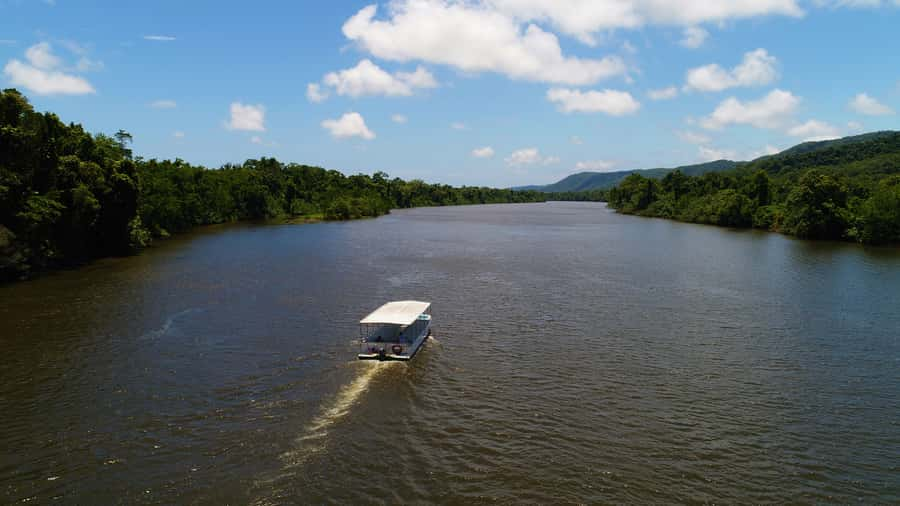
The cruise is not a thrill ride. That is good news for families and anyone who dislikes rough water. One parent traveling with children described the boat as a smooth, gentle ride, and several people found it suitable for young children. You get a wildlife outing rather than a high-speed attraction.
More Wildlife Trips in Australia:
- Solar Whisper Daintree River Crocodile and Wildlife Cruise
★ 5.0 · 1,663 reviews - 1-Hour Daintree River wildlife cruise
★ 5.0 · 947 reviews - Daintree: River Rainforest Crocodile & Wildlife Cruise (DV)
★ 4.6 · 346 reviews
What happens during the one-hour cruise
You begin at the Daintree River Cruise Centre. Allow time to arrive 15 minutes before departure, then exchange your voucher at the ticket counter. The center provides bathrooms, picnic areas, displays, and a place to have morning or afternoon tea.
Once aboard, the guide begins scanning the riverbanks. The exact order of sightings changes from one departure to the next, but the focus stays on the river’s animals and plant life. Your guide may point out crocodiles, birds, snakes, fish, butterflies, and the mangrove species growing along the water.
The boat winds through the estuary rather than heading straight to one fixed viewing point. That matters because wildlife is not placed on a schedule. Your guide needs to read the river, watch the banks, and give the boat enough time in useful spots.
The best guides add context as they search. Charly was praised for explaining the animals and river clearly, while Adam was noted for bringing the boat close to a large crocodile while keeping a safe distance. Other named guides, including Chris and Brouce, have also received strong praise for friendly, informative commentary.
Do not expect a formal lecture packed with scientific terms. The appeal is the live connection between what you are seeing and what the guide explains. If you notice a bird, ripple, snake, or crocodile before the guide does, ask about it. The supplied information encourages questions, and the guides make an effort to show everyone the animals.
Seeing the estuarine crocodile up close
Estuarine crocodiles, also called saltwater crocodiles, are the headline act. They are the largest living reptiles and apex predators, but the most striking thing about them on this cruise may be how still they look.
A large crocodile can appear to be doing nothing as it rests near the bank or floats with only its eyes visible. That calm appearance can be misleading. These are powerful opportunistic hunters, and the guide may explain how quickly they can react when prey comes within reach.
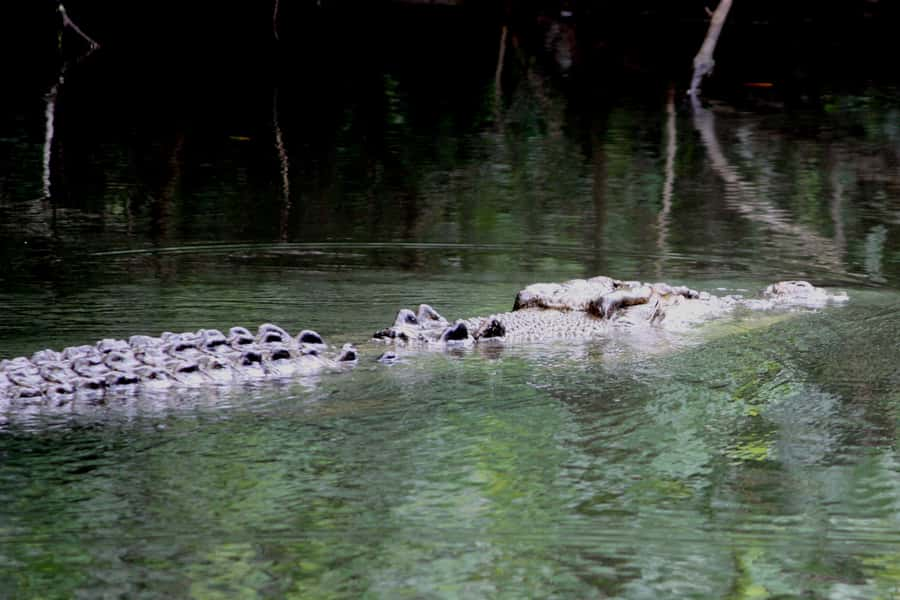
Sightings have ranged from one large crocodile to five animals on a particularly fortunate cruise. Several outings found adults along with smaller crocodiles and hatchlings. Individual animals have names, including Lumpy, Scooter, and Scarface, which gives repeat sightings and local knowledge a more personal feel.
One particularly memorable type of sighting is a crocodile that shows only its eyes above the water. Another is a large male sunning himself on the bank. You might also see a smaller crocodile being watched by a larger one, a scene that makes the food chain feel immediate rather than theoretical.
Still, you should not book this as a guaranteed crocodile count. The river is wild, and the animals choose where to rest. One hot October outing produced a massive crocodile and a baby, but not the larger number seen on cooler departures. July and August may be a better choice if crocodile spotting is your top goal, though the weather can change at any time.
The mangrove ecosystem is the real supporting actor
It is easy to spend the whole hour waiting for a crocodile and miss the river itself. Try not to. The mangrove estuary supports fish, birds, reptiles, insects, and the crocodiles at the top of the food chain.
The mangroves line the riverbanks in dense, tangled growth. Their roots help create shelter for young fish and other small creatures, while the muddy edges provide places for animals to rest and feed. Your guide explains how the plants and animals depend on one another.
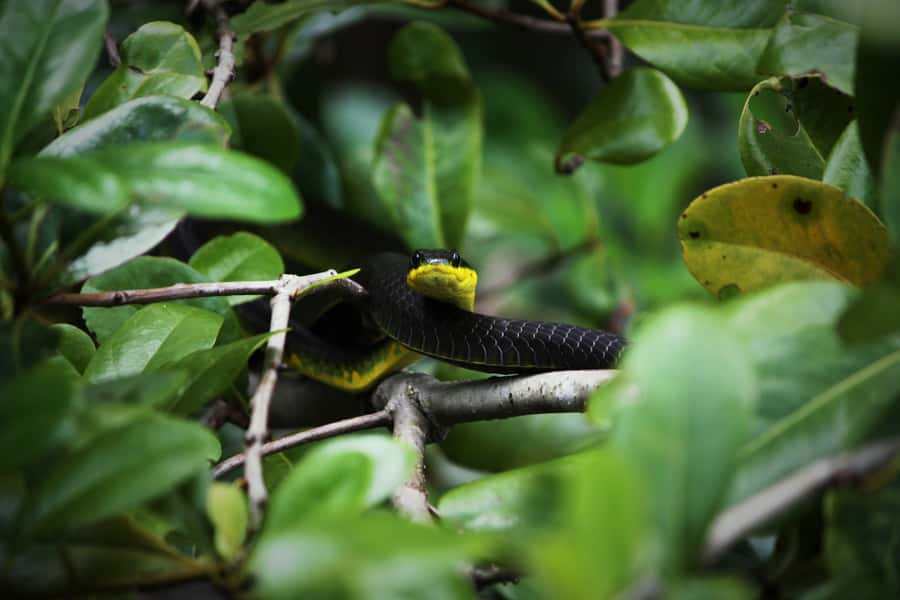
You may spot a snake tucked into vegetation, a school of fish moving under the boat, or birds feeding near the banks. Butterflies and smaller creatures can be easy to miss without a sharp-eyed guide. Several people specifically valued guides who noticed animals they would not have found alone.
This is where the trip earns its name as a wildlife experience rather than a crocodile-only cruise. Even if the crocodiles stay hidden, the mangroves give your guide plenty to discuss. After heavy rain, visibility may change, but wet conditions can also produce interesting river conditions and wildlife activity.
The river also gives you a useful lesson in scale. You see the crocodile as part of a working food chain, not as an isolated showpiece. That makes the encounter more respectful and more memorable.
A few more days afloat around Australia worth a look
- All Inclusive Blue Mountain,Scenic World,Lunch,Koalas,ferry
★ 5.0 · 7,832 reviews - Great Barrier Reef Snorkeling and Diving Cruise from Cairns
★ 4.5 · 3,714 reviews - From Cairns: Great Barrier Reef Cruise by Premium Catamaran
★ 4.9 · 3,567 reviews - Whitehaven Beach and Hill Inlet Lookout Snorkeling Cruise
★ 5.0 · 2,953 reviews
How good is the $24 value?
At $24 per person, this is one of the easier Daintree activities to fit into a day without making a large dent in your budget. The fare includes a fully guided one-hour cruise, morning or afternoon tea, and use of the center’s bathrooms, displays, and picnic areas.
The value is especially good if you are already driving through the Daintree area. You can add the cruise to a broader day of rainforest sightseeing without committing to a long boat trip. The one-hour format also works well for families, older visitors, and people with limited time.
You are paying for the guide’s eyes as much as the boat. Crocodiles can be hard to spot when they are motionless and camouflaged. An experienced guide knows where to look and can help the whole boat get a view without disturbing the animal.
The value is weaker if you expect a guaranteed parade of crocodiles. A cruise with one large crocodile may feel excellent at this price, while a trip with only small sightings will depend more heavily on the quality of the commentary. For that reason, the guide matters as much as the number of animals.
There is also no included transfer. You need a car or another way to reach the Daintree River Cruise Centre, and the information specifically recommends hiring a car close to your accommodation. If you are staying in Cairns, plan the driving time carefully rather than treating this as a quick city activity.
Weather, timing, and what to bring
The Daintree is tropical, so heat, humidity, and rain are part of the setting. One wet outing was still enjoyable because the guide kept the information flowing, but rain can affect comfort and visibility. A light rain layer is sensible, and sun protection is useful when the boat is exposed.
If crocodile numbers are your main concern, cooler months such as July and August may be worth considering. A very hot day can leave more crocodiles hidden or less visible. This is not a strict rule, but it is a useful planning point.
Morning and afternoon departures are available, depending on the schedule. Choose the time that fits your wider Daintree plan, then check availability before booking. You should arrive 15 minutes early for the voucher exchange and boarding process.
The cruise includes tea and a biscuit or similar light refreshment, according to the information provided. Think of this as a small comfort, not a meal. Bring water and plan food separately if you are making a full-day outing.
Who will enjoy this cruise most?
Families get a lot from this trip. The ride is described as smooth, and children can watch for obvious targets such as crocodiles and birds while adults listen to the habitat explanations. The short duration helps prevent young children from losing patience.
This also suits first-time visitors to the Daintree who want a clear introduction to the river. You see the mangroves, learn about the animals, and get a chance to ask questions without committing to a long expedition.
Wildlife photographers should keep expectations practical. The boat can bring you close while maintaining a safe distance, but animals do not pose on request. A long lens may help, though the provided information does not promise dedicated photography time or special equipment.
I would also recommend it to anyone who likes natural experiences with a local guide rather than a large attraction with fixed displays. The setting changes from trip to trip, and the guide’s ability to spot small details makes a real difference.
You may want to skip it if you need guaranteed wildlife sightings, dislike tropical heat and rain, or have no convenient way to reach the center. Also, the booking information gives mixed accessibility details: the activity is marked wheelchair accessible in one place but also says it is not suitable for wheelchair users. If accessibility is important to you, confirm the boat and boarding arrangements directly before paying.
Should you book the Daintree River cruise?
I would book this if you are already exploring the Daintree and want a short, affordable wildlife activity with a strong chance of seeing crocodiles. The price is modest, the ride is gentle, and the best guides turn a simple boat trip into a useful lesson about mangroves, predators, and tropical wildlife.
Book with realistic expectations. You may see several large crocodiles, a baby, or a famous local animal such as Lumpy or Scarface. You may see only one or two. The cruise is worth it because the river remains interesting even when the crocodiles keep their distance.
FAQ
How long is the Daintree Rainforest Wildlife Experience Cruise?
The cruise lasts one hour.
How much does the cruise cost?
The listed price is $24 per person.
Are crocodile sightings guaranteed?
No. The cruise gives you the chance to see estuarine crocodiles, but sightings and numbers can change with weather and animal behavior.
Is transport to the cruise center included?
No. Transfers are not included, so you need to arrange your own transport. Hiring a car close to your accommodation is recommended.
What is included in the ticket?
The ticket includes a fully guided wildlife-spotting cruise, morning or afternoon tea, and use of the center’s displays, picnic areas, and bathrooms.
What language is the tour conducted in?
The live guide and tour information are in English.
Just added around Australia
- From Hervey Bay: Remote K’gari Tour by Boat with Lunch★ 4.9 · 1,229 reviews
- Port Douglas: Quicksilver Outer Barrier Reef Full-Day Cruise★ 4.8 · 506 reviews
- Port Douglas: Sunset Sailing Cruise on Luxury Catamaran★ 4.6 · 342 reviews
- Port Stephens: Dolphin Discovery Cruise★ 4.4 · 926 reviews
- Port Douglas: River Cruise, Crocodile Spotting, Drink/ Snack★ 4.6 · 353 reviews
- Port Arthur Tasman Sights with Harbour Cruise★ 4.8 · 358 reviews
- Port Douglas: Outer Great Barrier Reef Snorkeling Cruise★ 4.9 · 711 reviews
- Port Douglas: Low Isles Glass Bottom Boat & Snorkeling Tour★ 4.7 · 469 reviews
Australia Boat Tours, compared.
All Inclusive Blue Mountain,Scenic World,Lunch,Koalas,ferry
Read our review →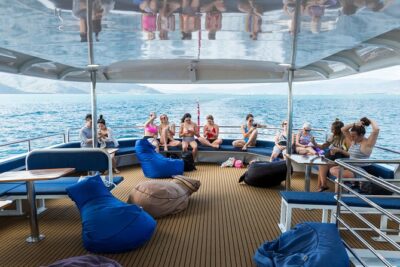
Great Barrier Reef Snorkeling and Diving Cruise from Cairns
Read our review →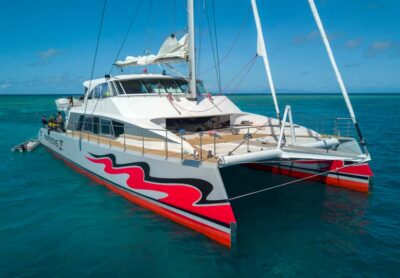
Great Barrier Reef Cruise by Premium Catamaran
Read our review →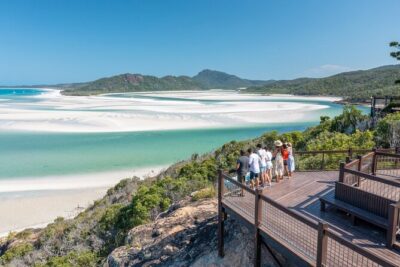
Whitehaven Beach and Hill Inlet Lookout Snorkeling Cruise
Read our review →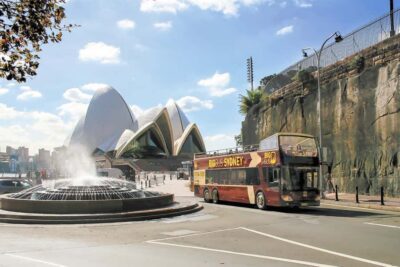
Big Bus Hop-On Hop-Off Tour with Optional Cruise
Read our review →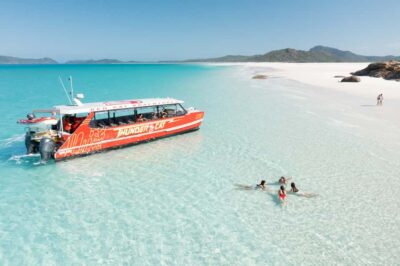
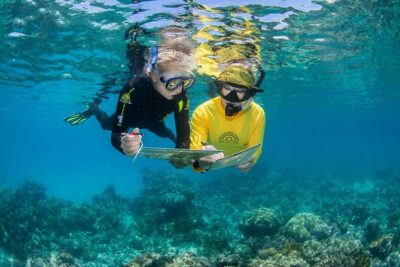
Passions of Paradise Great Barrier Reef Cruise by Catamaran
Read our review →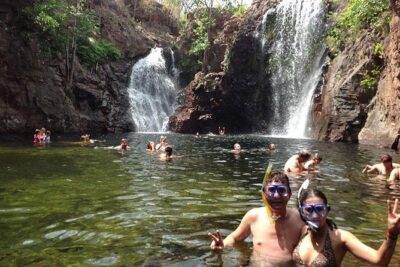
Litchfield National Park and Jumping Crocodile Cruise
Read our review →Browse the lists this tour appears in