
Review · IRELAND
Dublin: River Liffey Sightseeing Cruise
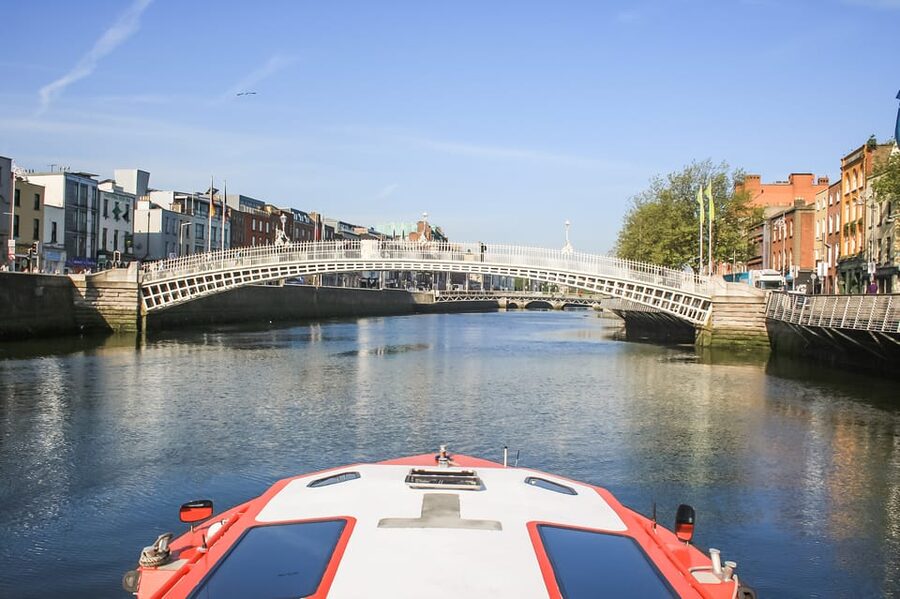
Dublin’s story reads differently from the water. From the pontoon beside the Sean O’Casey Footbridge, you’ll pass bridges, the Custom House, the Jeanie Johnston, and the rebuilt Docklands while a local guide connects the city’s Viking beginnings with its modern port. I especially like the mix of solid history and Irish humor, plus the chance to see familiar streets from a fresh angle.
I also like the short, tidy format. At 45 minutes and about $23, it fits neatly before lunch or between city sights. Guides such as Gerry, Jerry, Tony, Peter, and Lucy have been praised for lively storytelling, though the exact guide changes. The main drawback is that the boat ride can feel brief, and loud talkers may make the commentary hard to hear.
Key points to know before boarding
- Start at Custom House Quay: Find the pontoon opposite the CHQ building on the north side of the Liffey.
- Expect a 45-minute cruise: The boat returns to the same place, so no extra transport is needed afterward.
- Look for the Jeanie Johnston: The ship is one of the most memorable waterfront sights on the route.
- Hear Dublin’s story in layers: Viking settlement, Georgian growth, canal building, port expansion, decline, and Docklands renewal all enter the commentary.
- Plan around the tide: The route and what the boat can pass beneath may change with tidal conditions.
- Bring your listening ears: This trip depends on live narration, and there are no toilets onboard.
Seeing Dublin from the River Liffey
I think this cruise works best as an introduction, not as a full substitute for exploring Dublin on foot. The Liffey cuts through the city center, yet many visitors spend their entire stay crossing its bridges rather than looking along the river itself. From the boat, the relationship between the north and south sides becomes easier to understand.
The setting also gives the city a useful sense of scale. You see the old center give way to Docklands, then follow the river toward the port and the point where the city meets the sea. This is a compact trip, but the subject is broad: Dublin’s past, its engineering, its trade, and its recent rebuilding all fit into the talk.
The live guide makes the difference. This is not simply a ride with a recorded voice. The guide points out sights as they appear, adds local stories, and adjusts the commentary to the day’s conditions. Several guides have been praised for being funny without losing the historical thread. That balance matters because a river cruise can otherwise become a quick list of bridges and buildings.
More River Cruises in the world:
- Paris: 1-Hour Seine Cruise departing from the Eiffel Tower
★ 4.4 · 77,472 reviews - London: Westminster to Greenwich River Thames Cruise
★ 4.5 · 22,836 reviews - Paris: Evening River Cruise with Music
★ 4.4 · 22,721 reviews
Starting at the Sean O’Casey Footbridge
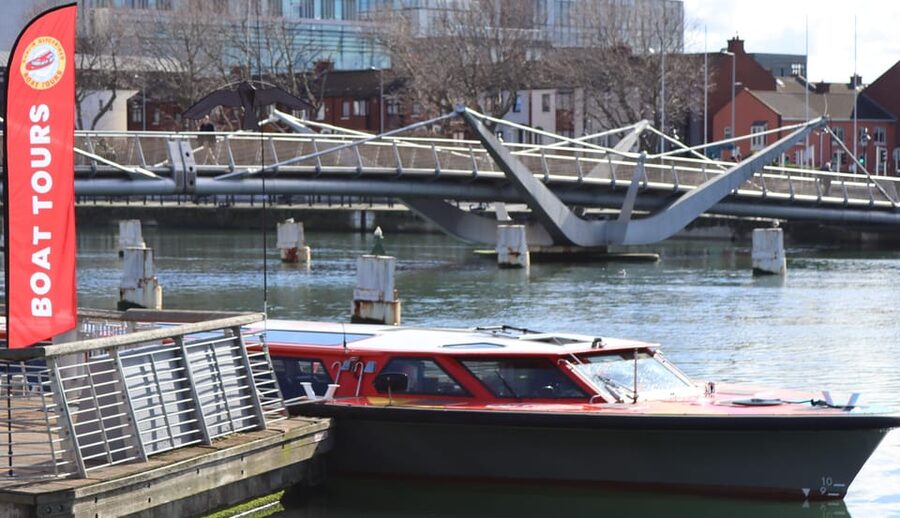
All cruises leave from and return to the pontoon at the Sean O’Casey Footbridge. It sits on the north side of the river at Custom House Quay, opposite the CHQ building. Arrive about 10 minutes before your booked time so the crew can check you in and give boarding instructions.
The location is handy for combining with a walk around the Custom House and Docklands. Do not treat the departure point as a vague riverfront meeting area. Look specifically for the pontoon opposite CHQ, and give yourself a little time to orient yourself along the quay.
The boat is an all-weather vessel with room for 48 people. That is large enough to make the operation practical, but small enough for a guide to address the group directly. Seating and visibility can depend on how full the sailing is, so arriving on time is sensible if you want a clear view and an easier chance to hear.
There is no hotel pickup. You make your own way to the pontoon, and the activity finishes there as well. That is not a problem in central Dublin, but it is worth noting if you are planning a tightly timed airport transfer or another booked activity.
From Viking Dublin to the Georgian city
The opening history gives the cruise more purpose than simple sightseeing. You’ll hear how the Vikings arrived more than 1,000 years ago and how the river helped shape the settlement that became Dublin.
The commentary then moves into the city’s fast growth during the 18th and 19th centuries. From the water, this period is easier to picture because the river was not a decorative strip beside the city. It was part of the working infrastructure, tied to trade, movement, bridges, canals, and the port.
The guide also covers the later decline of the riverfront and the more recent rebuilding of Dublin Docklands. That change is one of the most useful themes on the cruise. You are not just looking at old buildings beside new ones. You are seeing how Dublin’s economic center shifted, suffered, and then changed again.
I would pay close attention to the explanations of reclaimed land. Present-day Dublin includes areas built out from the river and bay, and the tour connects that process to major places such as Trinity College and the Spire on O’Connell Street. It is the sort of detail you might miss when walking from one attraction to the next.
The Ha’penny Bridge, Custom House, and Jeanie Johnston
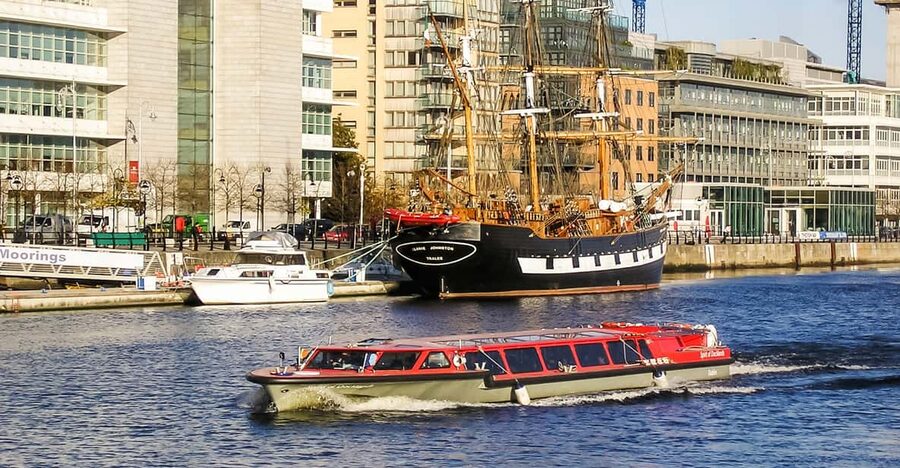
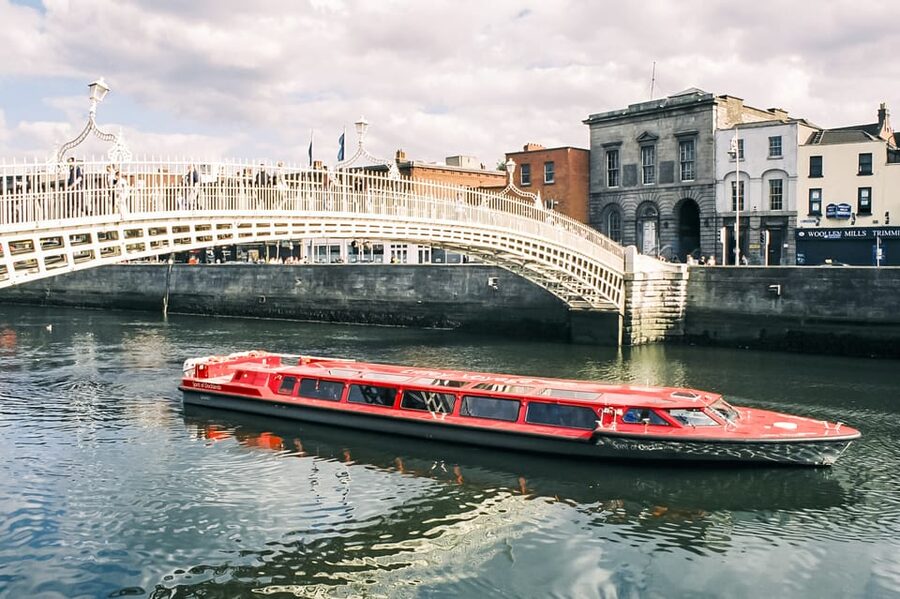
The river gives you a clean view of several familiar Dublin landmarks. The Ha’penny Bridge is a highlight because its slim shape and pedestrian role are easier to appreciate from below and alongside the water than from the crowded riverbanks.
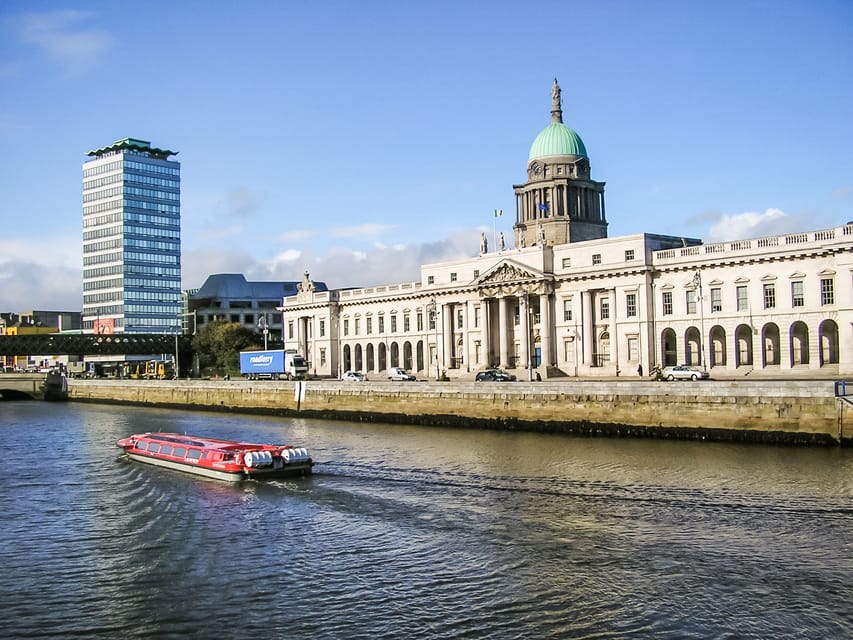
You’ll also hear about James Gandon’s Custom House, one of the city’s key architectural landmarks. From the boat, its position beside the river makes sense. The building is not isolated from Dublin’s story, it is part of the city’s long connection with administration, commerce, and the waterfront.
The Jeanie Johnston provides another strong visual marker. The restored ship recalls the emigrant vessels that carried Irish people across the Atlantic during the 19th century. Seeing it from the river adds context to the object itself, placing it within the working waterfront rather than treating it as a separate museum display.
The route also brings the bridges and docks into the same picture. That is where the cruise earns its keep. A walking tour may explain each place separately, but the boat shows how they sit together along the Liffey.
More Sightseeing Cruises in the world:
- Budapest: City Highlights Sightseeing Cruise
★ 4.6 · 43,981 reviews - Prague: 50-Minute Sightseeing Evening Cruise
★ 4.2 · 33,780 reviews - Budapest: Nighttime or Daytime Sightseeing Cruise
★ 4.2 · 21,062 reviews - Budapest: By Night Sightseeing Cruise with Welcome Drink
★ 4.3 · 15,533 reviews
Docklands and the edge of Dublin Port
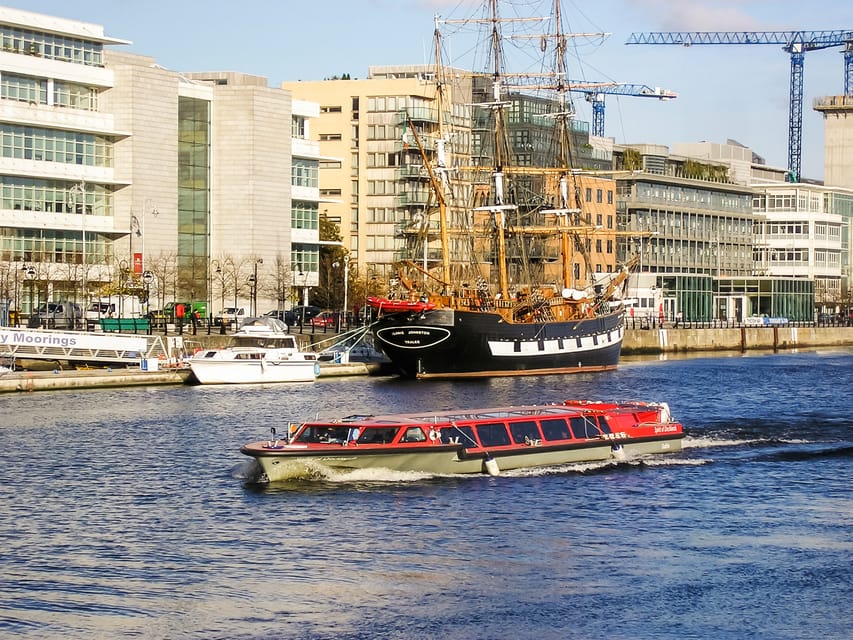
As the boat moves toward Docklands, the tone of the city changes. The tour follows the area’s decline and redevelopment, helping you read the newer waterfront beside older industrial and civic landmarks.
You’ll also see the point described as where the city meets the sea, near Dublin Port. This gives the ride a natural sense of direction. The Liffey is not just a river running through the center. It carries Dublin outward into Dublin Bay and the wider world.
The port section may be affected by the tide. The company says bookings are subject to availability and tidal conditions, and the route can be adjusted if needed. That is an important practical point, not a minor footnote. At high tide, the boat may pass under bridges with very little room above it, and some parts of the planned route may need to change.
You’ll be contacted if there is a problem with your selected time and date. I would keep a little flexibility in your schedule rather than booking this immediately before something that cannot move.
Canals, Cromwell, and Captain Bligh
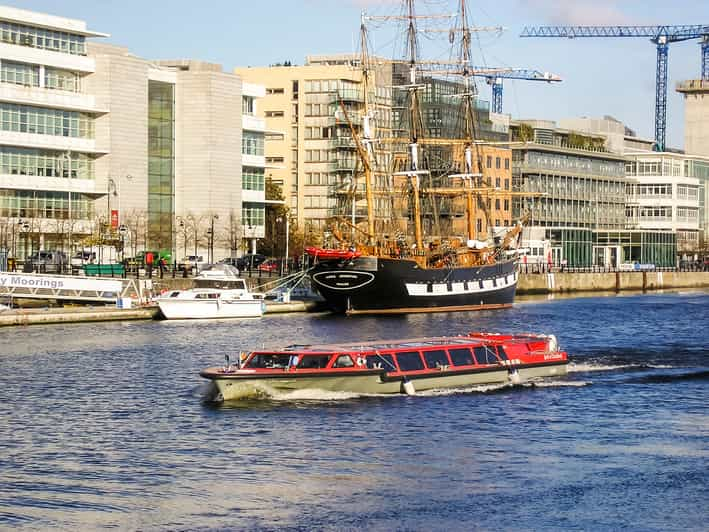
The story reaches beyond the buildings immediately beside the Liffey. The guide covers Dublin’s Royal and Grand Canals, which helps explain how the city’s waterways once connected the river to the wider country.
You’ll also hear about Oliver Cromwell’s landing in 1649. That detail adds political weight to the route, showing how the river served as an entry point during a difficult chapter of Irish history. The guide’s job is to place such events in the city rather than present them as disconnected dates.
Another unusual subject is Captain William Bligh’s survey of Dublin Bay in 1800. Bligh is better known for the Bounty mutiny, so his connection with Dublin makes a nice surprise in the commentary. These less expected details are part of what makes the live narration worthwhile.
Because the cruise lasts only 45 minutes, the guide cannot give every topic a full treatment. You get a brisk sequence of stories rather than a long lecture. I find that useful at the start of a Dublin visit, when you want enough background to make later walks and museum visits more meaningful.
What the guides add to the experience
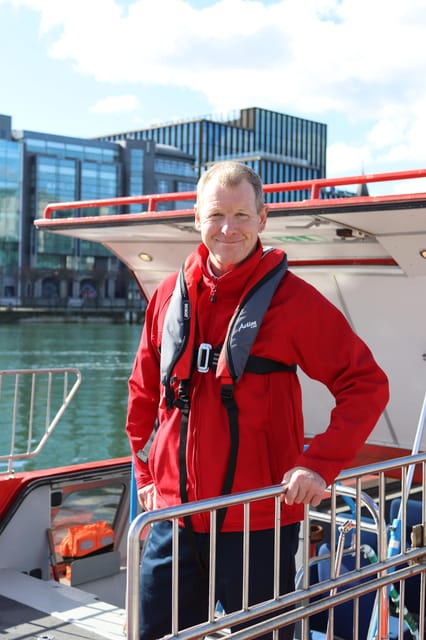
The strongest element is the crew. Guides have included Gerry, Jerry, Tony, Peter, and Lucy, and their styles differ. Gerry has been singled out for his stories, while Lucy’s approach has been praised for being clear and informative without overloading the group. Peter has been described as a particularly expressive storyteller, and Tony has also guided trips.
That variety is worth keeping in mind. You are booking a format and a company, not a guaranteed individual guide. The shared quality is the local focus and the conversational tone. Guides have mixed factual history with urban myths, personal warmth, and jokes, which keeps the boat from feeling like a school lesson.
The captain can add to the trip, too. One sailing paired Gerry with Mark, whose handling of the boat made the close bridge passages part of the fun. Other accounts praise the captain for friendly comments and small additions to the talk.
There is one simple weakness: sound. One person found that loud conversations made the narration difficult to follow. On a small boat, this can affect everyone. Sit where you can see and hear the guide, and politely avoid talking during the main commentary. The experience depends on shared attention more than a museum visit does.
Weather, comfort, and the short length
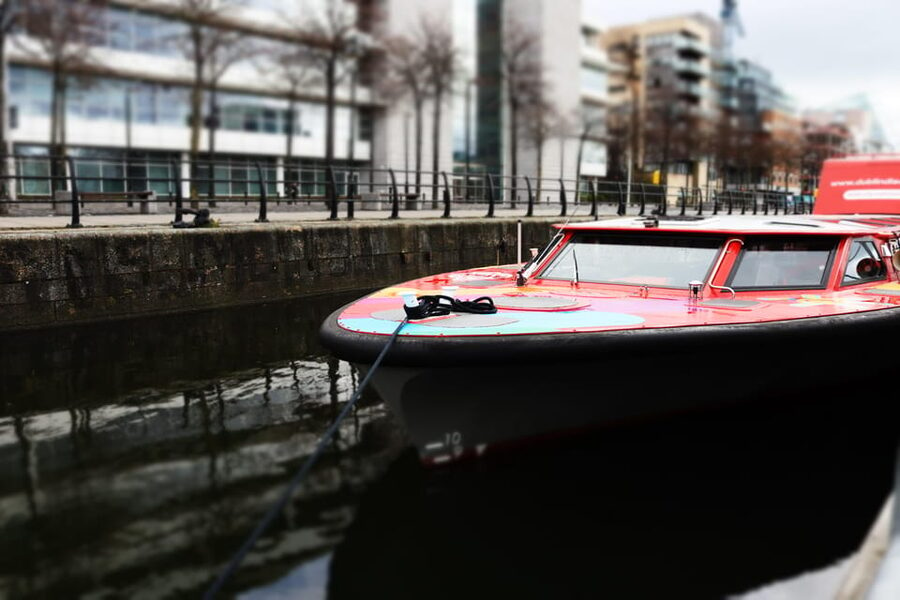
The boat is designed for all-weather use, and the trip can still work in poor conditions. You might find the river less scenic under gray skies, but the historical talk becomes even more important when the weather is not helping.
On a bright day, the water opens up views of the bridges, buildings, and Docklands. Several trips have been described as smooth and comfortable, with conditions that were neither too hot nor too cold. That said, Ireland’s weather can change quickly, so bring a layer rather than assuming the forecast will hold.
Forty-five minutes is both a strength and a limitation. I like it because you can fit the ride into a busy sightseeing day without sacrificing half an afternoon. Families and first-time visitors may appreciate the manageable length.
The tradeoff is that the cruise can feel over too soon, especially when the guide is entertaining. If you want a long, slow harbor outing, this is not that product. It is a compact city orientation with a strong storytelling element.
There are no toilets onboard. Use facilities before boarding, particularly because the meeting point is on the quay and the boat returns only after the full trip.
Is $23 a fair price?
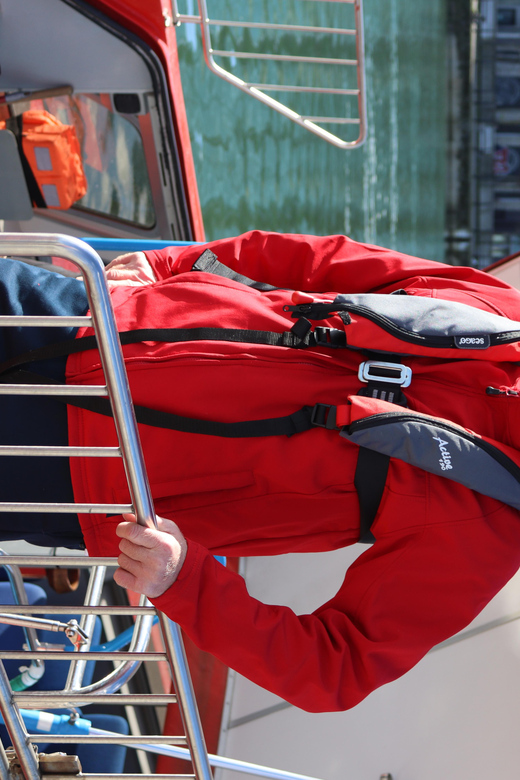
At about $23 per person, I consider this a reasonable buy if you value context as much as views. You get a 45-minute cruise, a live English-speaking guide, and a compact introduction to Dublin’s riverfront. The price is easier to justify when you use the ride to plan the rest of your visit.
It is less compelling if you only want a boat ride and already know the Liffey well. The route is short, and the main reward comes from the narration. You are paying for the combination of position, access, and local explanation, not for a long day on the water.
The 4.4 rating from 3,473 ratings suggests a strong overall experience, while the specific praise points to the guides as the main reason people enjoy it. I would book this for the first or second day of a Dublin stay, then use what you learn to choose which bridges, docks, and historic buildings deserve a closer look.
Free cancellation is available up to 24 hours before departure, and you can reserve now while paying later. Wheelchair access is provided. Since sailings depend on availability and tides, check the exact time before making other plans around it.
Who should book this Liffey cruise?
I would recommend it to first-time visitors who want a quick sense of Dublin’s layout, couples looking for an easy shared activity, and anyone who enjoys history delivered with jokes and local character.
It also suits repeat visitors. The city’s riverfront keeps changing, and seeing Docklands from the water can add a useful new layer to places you have already walked through.
Families may like the 45-minute length, though children who need constant activity may find the historical talk slower than a purely scenic ride. The all-weather boat helps, but the experience is still at its best when you can hear the guide and look outside comfortably.
I would be more cautious if you have very tight plans, dislike live commentary, or want a guaranteed route regardless of tide. The company may need to alter parts of the cruise, and your guide will be central to how much you enjoy the trip.
Should you book it?
Yes, if you want a well-priced orientation to Dublin that combines river views with history. The best parts are the local guides, the changing waterfront, and the way the cruise links Viking Dublin, Georgian growth, canals, port activity, and modern Docklands in one short outing.
Book it early in your stay if possible. Keep 10 minutes for check-in, use a toilet before boarding, and allow some flexibility around tide-related changes. If you can accept the brief length and the possibility of a different route, this is an easy, useful way to get your bearings from the Liffey itself.
FAQ
Where does the Dublin River Liffey cruise start?
The cruise departs from the pontoon at the Sean O’Casey Footbridge on the north side of the river at Custom House Quay, opposite the CHQ building.
How long does the cruise last?
The cruise lasts 45 minutes and returns to the same pontoon where it begins.
What language is the tour in?
The live tour guide speaks English.
Is the boat wheelchair accessible?
Yes, the activity is listed as wheelchair accessible.
Does the cruise operate in all weather?
The boat is an all-weather, 48-passenger river boat. Sailings are still subject to availability and tidal conditions.
Can I cancel the booking?
You can cancel up to 24 hours before the booked time for a full refund. You can also reserve now and pay later.
Just added around the world
- Reykjavik: Whale Watching and Dolphin Watching Yacht Cruise★ 4.5 · 707 reviews
- Reykjavik: Whale and Puffin Watching RIB Boat Tour★ 4.7 · 293 reviews
- Rethymno: Sunset Cruise on a Wooden Pirate Boat★ 4.3 · 581 reviews
- Reykjavik: Small Group Golden Circle from Cruise Terminal★ 4.6 · 293 reviews
- Rethymno: Sunset Catamaran Cruise – Sushi & Open Bar★ 4.8 · 446 reviews
- Reykjavik: Best Value Whale Watching Boat Tour★ 4.5 · 300 reviews
- Rethymno: Pirate Boat Cruise with Swimming Stop★ 4.1 · 293 reviews
- From Hervey Bay: Remote K’gari Tour by Boat with Lunch★ 4.9 · 1,229 reviews
Ireland Boat Tours, compared.
Galway to Inisheer Aran Islands, Cliffs of Moher and Boat Trip
Read our review →
From Galway: Aran Islands and Cliffs of Moher Tour & Cruise
Read our review →
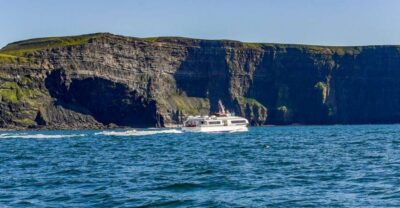
From Galway: Aran Islands & Cliffs of Moher Day Cruise
Read our review →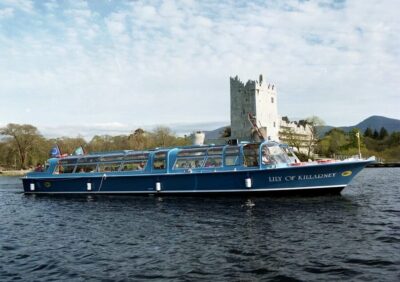
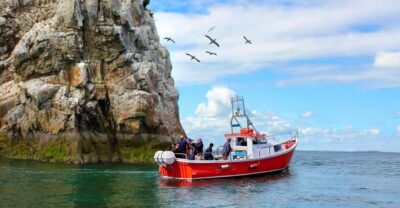
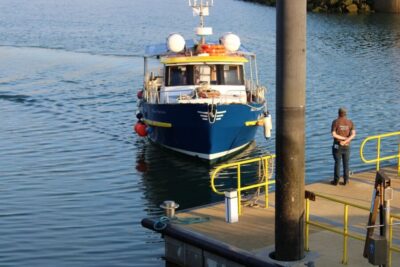

Dublin: Howth Coast and Ireland’s Eye Boat Tour
Read our review →Browse the lists this tour appears in