
Review · JAPAN
Tokyo Mt Fuji 5th St & Hakone Cruise Bus Tour w/Bullet Train
Mt. Fuji and Hakone make a natural pair, and this tour links them without asking you to master Japan’s train and bus systems. You’ll reach the 2,000-meter 5th Station, visit a Shinto shrine, ride above Hakone by ropeway, cruise Lake Ashi, and finish with a Shinkansen ride back to Tokyo. That is a lot of Japan in one day.
I like the excellent mix of transport and scenery. The coach handles the long morning ride, the ropeway and boat give you different views of Hakone, and the train ride home feels like a fitting finale. I also like the human touch from guides such as Lisa, Yuta, Kazu, Aya, Lovely, and Levin, who have been praised for clear English, humor, cultural details, and quick help when plans change.
The tradeoff is time. This is a full 10-hour outing with several fixed departures, so stops can feel rushed, lunch may come early, and bad weather or traffic can remove a major highlight. Book it for range and convenience, not for a slow day at any one site.
Key points to know before you book
- Mt. Fuji’s 5th Station reaches about 2,000 meters, but access depends on weather and mountain traffic rules.
- Hakone comes with two classic rides, the ropeway and a Lake Ashi cruise, with possible views of Fuji on a clear day.
- The return by Shinkansen is included, so you do not have to repeat the long coach ride to Tokyo.
- The buffet offers vegetarian food on request, but halal and vegan meals are not available.
- The guides are a major part of the experience, with English commentary and audio headsets in six additional languages.
- Expect a long, tightly scheduled day, with roughly two hours on the morning coach and limited free time at some stops.
Why this Tokyo to Fuji and Hakone route works
A day trip from Tokyo to Mt. Fuji can become awkward quickly. The mountain is outside the city, Hakone spreads across a large area, and the best route uses several kinds of transport. This excursion takes care of the connections and adds the bullet train, giving you a broad sample of the region in about 10 hours.
You begin at a central Tokyo meeting point, with options connected to Matsuya Ginza or the Love Statue in Shinjuku, depending on the booking choice. Hotel pickup and drop-off are not included, so you need to reach the stated meeting point on your own.
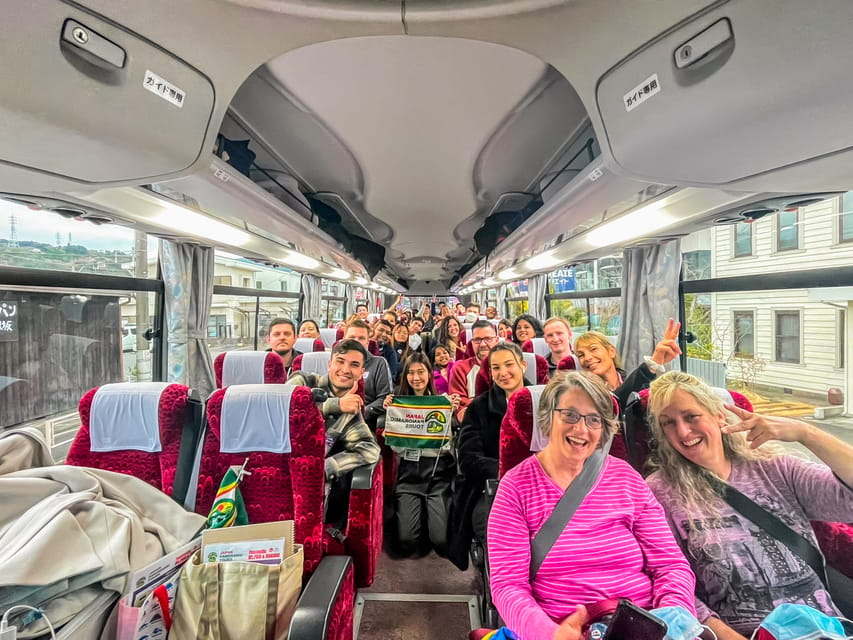
The morning coach is air-conditioned and has Wi-Fi. That matters more than it sounds. The ride to the Fuji area takes about two hours, and the guide uses that time for information about Japan, the places ahead, and practical instructions for the day. The coach also gives you a place to rest before the more active parts of the route.
The price is $154 per person. I consider that fair if you value convenience and plan to use every included feature. The cost covers the coach, guide, Wi-Fi, lunch when selected, the ropeway, the Lake Ashi cruise, and a one-way Shinkansen ticket from Odawara to Tokyo. Buying those elements separately would take more planning and would not give you the same simple point-to-point route.
More Boat-and-Train Days in the world:
- Bangkok: Train Market & Floating Market with Boat Ride
★ 4.7 · 9,547 reviews - Mt Fuji & Hakone Cruise, Drum Show Bullet Train 1 Day from Tokyo
★ 4.0 · 7,413 reviews - From Milan: Lake Como Cruise, St. Moritz & Bernina Red Train
★ 4.6 · 5,648 reviews
Reaching Mt. Fuji’s 5th Station at 2,000 meters
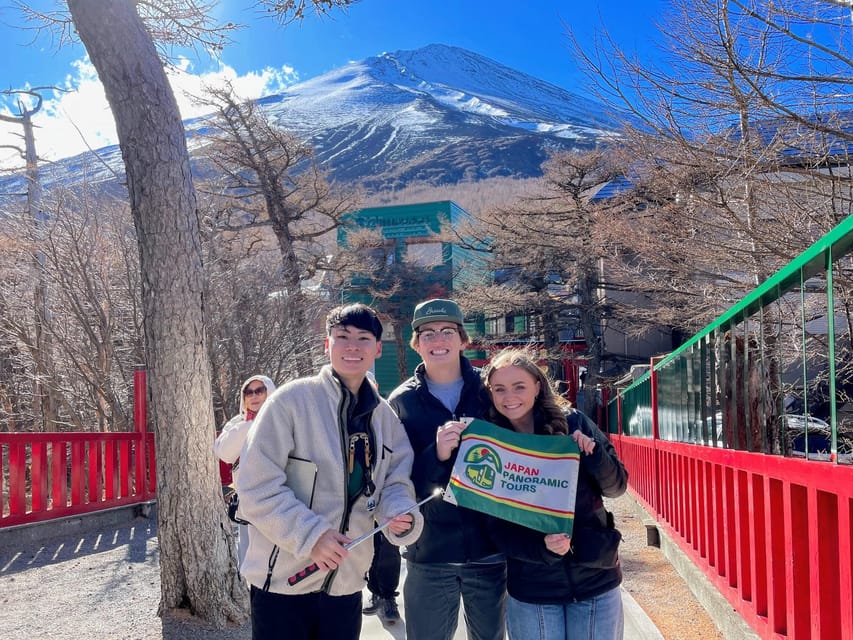
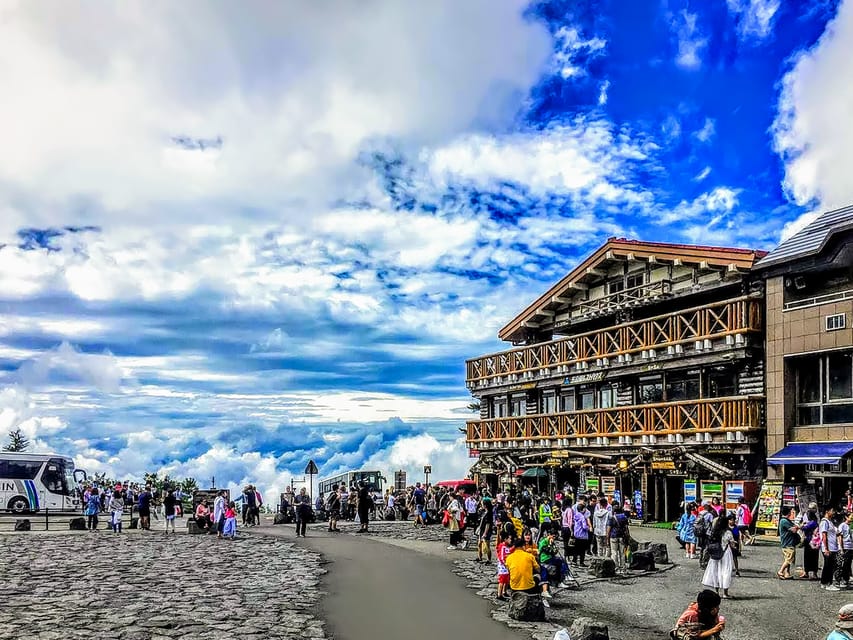
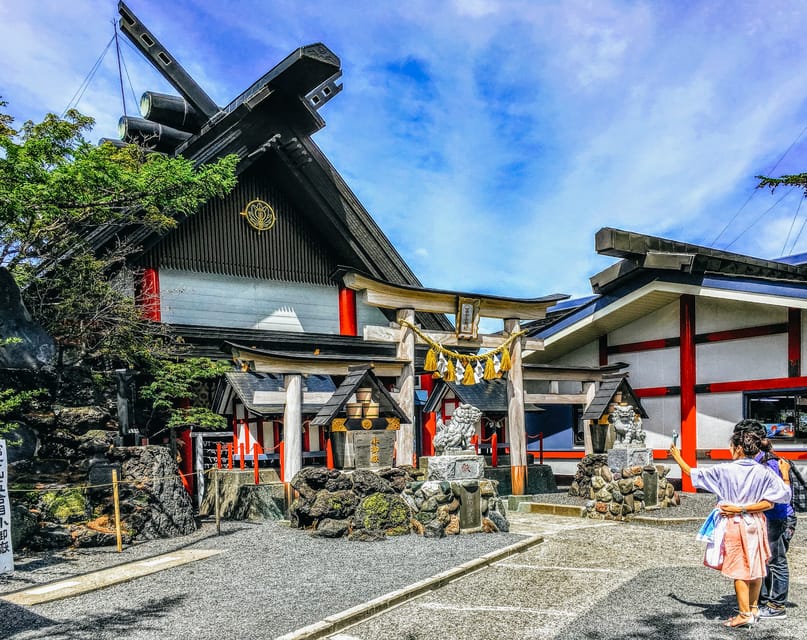
The 5th Station is the morning headline. It is far above the lower foothills and gives you a close, high-altitude look at the mountain’s upper slopes. You can step out near a Shinto shrine, take in the sacred side of Fuji, and enjoy the cooler mountain air.
The stop is not a climb to the summit. It is a scenic and cultural visit at an accessible point on the mountain road. You should bring comfortable shoes and warm clothing, even outside winter. Conditions can feel cold and windy at this height, and winter visits may be freezing.
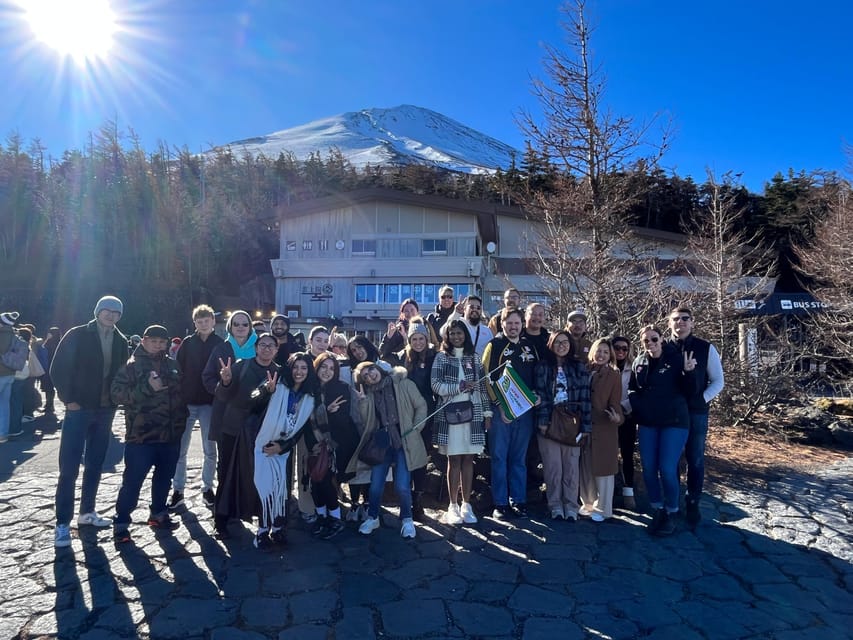
The views are never guaranteed. Fuji can be hidden by cloud even when the rest of the day is pleasant. Some of the strongest experiences come when the clouds briefly part on the descent or later around Lake Ashi, so do not decide that the day has failed if the first view is obscured.
Traffic regulations and road conditions can also affect access. On one specified date, a mountain road restriction requires an alternative stop instead of the 5th Station. In other cases, the tour may visit Oshino Hakkai or another scenic place. Possible alternatives also include places such as Lake Yamanaka, Odawara Castle, Hakone Shrine, or the Hakone checkpoint area, depending on conditions and operations.
That policy is important: changes caused by weather, traffic, or suspended operations do not automatically bring a refund. I would book this with a flexible attitude. You are paying for a carefully arranged Fuji and Hakone day, but nature gets the final say.
A Japanese buffet lunch with useful food notes
After Fuji, the coach takes you to a restaurant with a view toward the mountain. The buffet is designed to suit different tastes, and the food has been described as varied, plentiful, and appealing to both adults and children. Some outings include hot pot dishes, and the meal uses local ingredients.
Vegetarian food is available if you request it when booking. The stated vegetarian option excludes meat, seafood, and alcohol. Halal and vegan meals are not available, so you need to check this point carefully before paying.
Lunch timing is one of the weaker parts of the schedule. It may be served around 11 a.m., which can feel early, and the next chance to buy food may not come until the tour ends in Tokyo around 6 p.m. The meal can also feel rushed because the ropeway and cruise run on fixed schedules.
I suggest eating a good breakfast and carrying a small snack if allowed by your dietary needs. The supplied information specifically recommends booking the lunch option, since changing your choice on the day can bring an additional charge. Do not expect a leisurely restaurant meal. Think of lunch as a practical, well-stocked break between major sights.
Hakone Ropeway and the sulfur vents
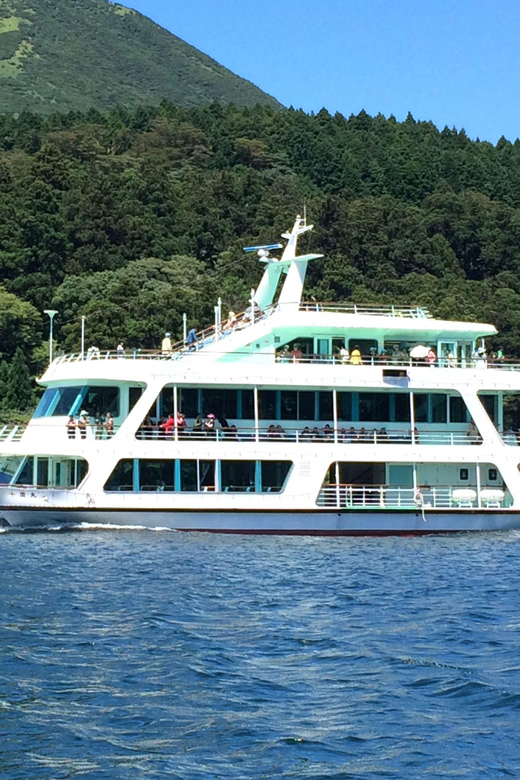
Hakone is one of Japan’s best-known hot spring and resort areas, with volcanic activity shaping both the scenery and the sightseeing. The tour visits either the Hakone mountain route or Hakone-Komagatake, depending on the day’s schedule.
The ropeway is the most dramatic way to cross this section. From the cable car, you look across Hakone’s mountains and, in clear weather, may see Mt. Fuji again from a new angle. The ride also gives you a sense of the area’s volcanic character. Some departures pass near vents releasing sulfur gas, a memorable reminder that this is an active geothermal region.
This is also where operations can change. Strong wind, heavy traffic, holidays, or long lines may prevent the planned ropeway ride. In one case, a long holiday queue led to a sake tasting or shopping alternative. On another day, strong wind stopped the ropeway while the Lake Ashi cruise still went ahead.
The guide’s handling of these changes matters. Guides including Yuta, Kazu, Sora, Angela, and Yui have been praised for keeping people informed and making alternatives worthwhile. Still, you should not buy this tour solely for one particular cable car view. The route has several moving parts.
A few more days afloat around the world worth a look
- Paris: 1-Hour Seine Cruise departing from the Eiffel Tower
★ 4.4 · 77,472 reviews - Istanbul: Bosphorus Dinner Cruise & Show with Private Table
★ 4.8 · 62,058 reviews - Budapest: City Highlights Sightseeing Cruise
★ 4.6 · 43,981 reviews - Budapest: Unlimited Prosecco, Beer and Aperol Spritz Cruise
★ 4.8 · 37,304 reviews
Cruising Lake Ashi near Hakone
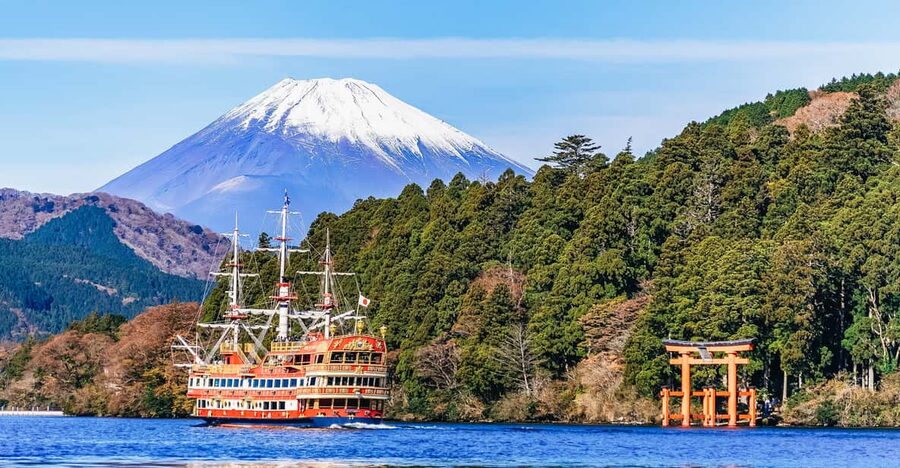
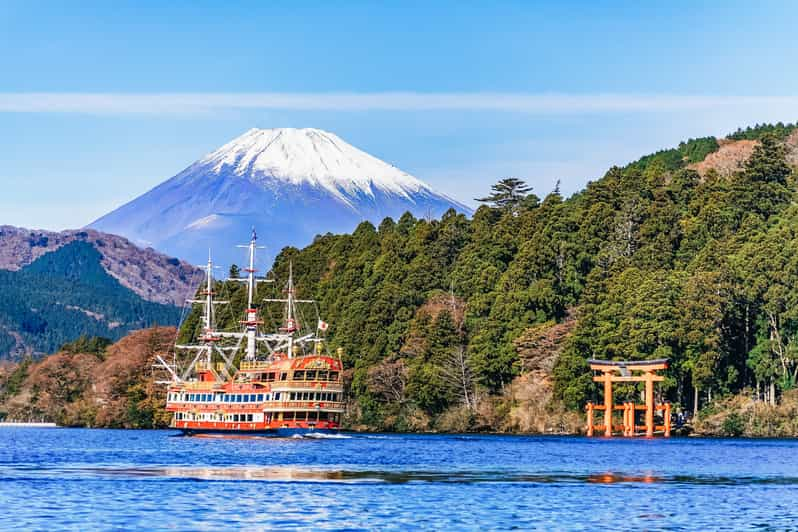
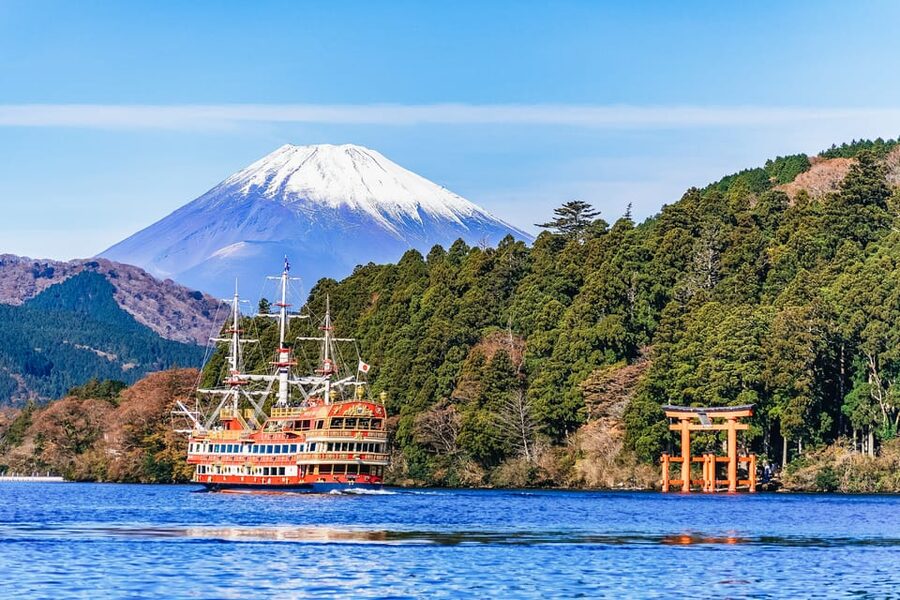
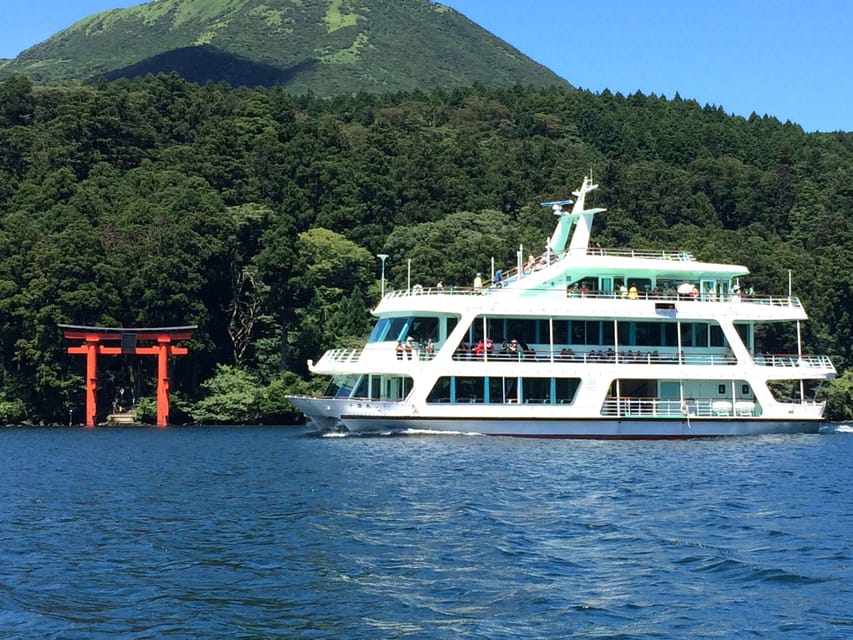
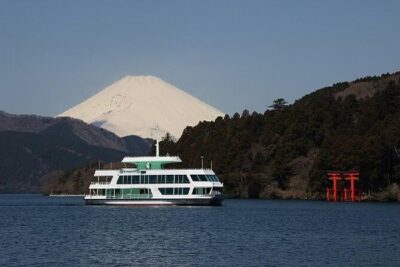
The boat ride on Lake Ashi is a calmer counterpoint to the mountain road and ropeway. Lake Ashi is a volcanic caldera lake, and the cruise offers open water, forested hills, and a chance to see the famous red torii gate associated with Hakone Shrine.
The exact vessel may vary. Some departures use a pirate-style sightseeing ship, while others use a different boat. If the picture in the booking material shows a particular ship, do not assume that exact vessel is guaranteed.
The cruise is scenic, but it is not a narrated sightseeing lecture. Commentary may be limited or absent, so your guide’s explanations before boarding are useful. The scheduled time on the water is also fairly short. You will get a good taste of the lake, not an entire afternoon on it.
This stop can rescue a cloudy Fuji day. On some outings, the mountain appears from the lakeside after being hidden at the 5th Station. I like that the tour gives you several chances to see Fuji rather than placing all its hopes on one viewpoint.
Returning to Tokyo by Shinkansen
The final transfer is one of the smartest features. After the Hakone section, the coach takes you to Odawara Station. You then board a Japanese bullet train for Tokyo Station, with the ride taking roughly 30 to 40 minutes depending on the stated schedule.
The Shinkansen is not just a fast way home. It adds a distinctly Japanese travel experience to the day and avoids repeating the slower coach ride through evening traffic. Many people find it an exciting finish, especially if this is their first time on a Japanese bullet train.
The tour ends at Tokyo Station around 6 p.m. You are not returned to your hotel, so plan your evening from Tokyo Station. If you already have a JR Pass, pay close attention when booking. The supplied instructions say to choose the return-by-bus activity instead, rather than this version with the included bullet train ticket.
Guides, group rhythm, and language support
The guide can make or break a day with this many moving parts. English is the live guiding language, and the strongest guide feedback centers on clear explanations, humor, warmth, and practical help. Lisa has been praised for organization and fluent English. Kazu is noted for stories and cultural information. Yuta, Aya, Yui, Lovely, Levin, Sora, Angela, and others have each been singled out for energy and care.
You may learn about Japanese language, clothing, spiritual traditions, and the places along the route while riding the coach. That background is useful because the stops themselves are brief. Instead of trying to read every sign or research each site while moving, you get a running explanation from someone who knows the schedule.
Audio headsets are available in Spanish, French, Italian, German, Portuguese, and Ukrainian. The live guide remains English-speaking, so check that this arrangement suits your group.
Group size can vary. One particularly small group had only 12 people, which made it easier to stay together and ask questions. You should not count on that exact size. A larger coach group means more waiting when people leave each stop, so listen carefully to meeting times.
The main drawbacks to weigh honestly
The tour covers a lot, but that range creates pressure. Several stops allow just enough time for the core activity, not for long walks, shopping, photography, or quiet reflection. At Fuji and Hakone, you may wish for another 20 or 30 minutes.
Traffic is another real concern. The road from Tokyo to Fuji and through Hakone can slow down, especially on holidays and busy weekends. The itinerary order may change, and the tour may not complete every activity if roads close or transport services stop.
Weather is the largest uncertainty. Clouds can hide Fuji, wind can stop the ropeway, and rain can reduce the pleasure of the outdoor stops. Bring warm layers even if Tokyo feels mild. Comfortable shoes are essential, and drones are not allowed.
The tour is not suitable for pregnant people, people with respiratory issues, or people with pre-existing medical conditions. If you have a health concern, this is not the place to ignore it. The high elevation, long day, walking, coach ride, ropeway, boat, and train all arrive in one package.
Free cancellation is available up to 24 hours before departure, and you can reserve now and pay later. Those terms help if your Tokyo plans are still moving, but they do not remove the weather and operational risks on the day itself.
Who should book this full-day outing
I would choose this tour if you have limited time in Tokyo and want Fuji, Hakone, and the Shinkansen in one organized day. It is especially useful for first-time visitors who do not want to coordinate highway buses, local transport, ropeway tickets, and a lake cruise.
It also suits people who enjoy variety. You will see a shrine, mountain roads, a buffet restaurant, volcanic sights, a cable car, a lake, and a high-speed train. Few Tokyo day trips offer that many distinct experiences for $154.
I would think twice if you want a quiet Fuji visit, a long Hakone walk, or several hours for photography. A private or slower trip would give you more control, while this outing prioritizes coverage and transport efficiency.
Should you book it?
Book it if you want the easiest way to combine Mt. Fuji’s 5th Station, Hakone’s ropeway and Lake Ashi, and a bullet train return. The guide support, included transport, and varied route make the price sensible, especially for a first visit.
Skip it if a missed Fuji view would spoil your day or if you dislike early meals, long coach rides, and strict departure times. For everyone else, pack warm clothing, accept that weather may rewrite the plan, and treat the bullet train as part of the experience rather than merely a ride home.
FAQ
How long does the Mt. Fuji and Hakone tour last?
The tour lasts about 10 hours and usually finishes at Tokyo Station around 6 p.m.
Where does the tour start?
Starting points vary by the option booked. Listed meeting points include Matsuya Ginza and the Love Statue in Shinjuku.
Is hotel pickup included?
No. Hotel pickup and hotel drop-off are not included.
What language does the live guide speak?
The live tour guide speaks English.
Are audio guides available in other languages?
Yes. Audio headsets are available in Spanish, French, Italian, German, Portuguese, and Ukrainian.
Does the tour reach Mt. Fuji’s 5th Station?
The planned visit is to the 5th Station, about 2,000 meters above sea level. Weather, traffic regulations, or road conditions may require an alternative stop.
What happens if the 5th Station is inaccessible?
The tour may visit Oshino Hakkai or another scenic location. Other alternatives can include Lake Yamanaka, Odawara Castle, Hakone Shrine, the Hakone checkpoint area, or a sightseeing boat.
Is lunch included?
A buffet lunch is included only if you select the lunch option. Vegetarian food is available by request, but halal and vegan meals are not available.
Can I use a JR Pass for the return trip?
If you have a JR Pass, the instructions say to book the return-by-bus activity rather than the version with the included bullet train ticket.
What should I bring?
Bring comfortable shoes and warm clothing. Drones are not allowed.
Just added around the world
- Reykjavik: Whale Watching and Dolphin Watching Yacht Cruise★ 4.5 · 707 reviews
- Reykjavik: Whale and Puffin Watching RIB Boat Tour★ 4.7 · 293 reviews
- Rethymno: Sunset Cruise on a Wooden Pirate Boat★ 4.3 · 581 reviews
- Reykjavik: Small Group Golden Circle from Cruise Terminal★ 4.6 · 293 reviews
- Rethymno: Sunset Catamaran Cruise – Sushi & Open Bar★ 4.8 · 446 reviews
- Reykjavik: Best Value Whale Watching Boat Tour★ 4.5 · 300 reviews
- Rethymno: Pirate Boat Cruise with Swimming Stop★ 4.1 · 293 reviews
- From Hervey Bay: Remote K’gari Tour by Boat with Lunch★ 4.9 · 1,229 reviews
Japan Boat Tours, compared.
Mt Fuji & Hakone Cruise, Drum Show Bullet Train 1 Day from Tokyo
Read our review →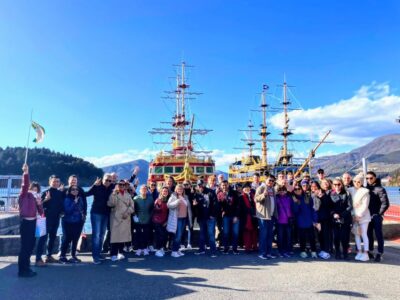
Tokyo: Mt. Fuji 5th Station & Hakone Cruise 1-Day Bus Tour
Read our review →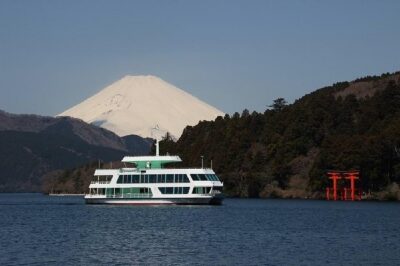
Mt Fuji & Hakone Cruise, Drum Show Bus 1 Day from Tokyo
Read our review →
Osaka: Dotonbori District River Cruise with Drink Discount
Read our review →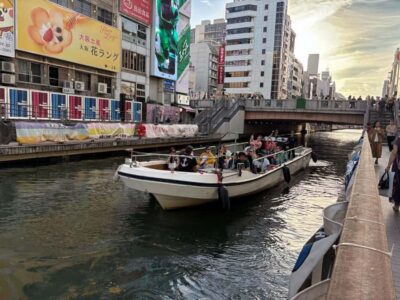
Browse the lists this tour appears in