
Review · DARWIN
Darwin: Mary River Wetlands Wildlife Cruise with Lunch
The star of this Darwin day trip is the 2.5-hour Mary River Wetlands cruise, where saltwater and freshwater crocodiles sit low in the water and birds gather among the lilies. The open-air boat gives you clear views and a fair chance at good photographs, while the guide helps you spot animals that you might otherwise miss.
I like the mix of wildlife and local context. You get Fogg Dam, a wetland information centre, a boat trip, lunch, and commentary on Darwin, Cyclone Tracy, World War II, Aboriginal culture, plants, and animal welfare. I also like the small-group feel, with a boat maximum of 29 passengers and a road vehicle carrying no more than 20.
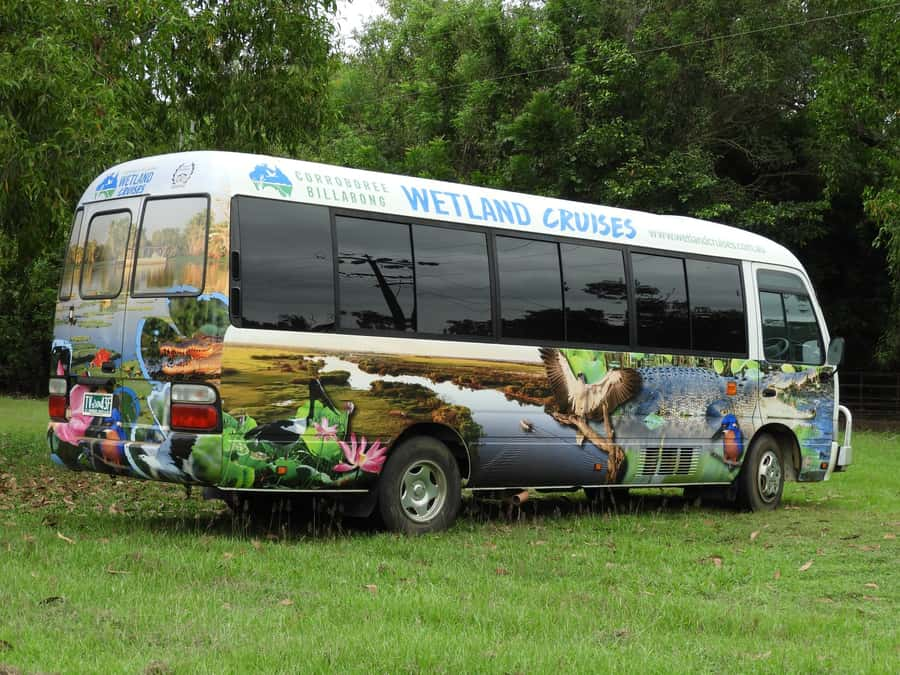
The main drawback is the long day in an older, sometimes cramped bus, with about 90 minutes on the road back to Darwin. Fogg Dam can also feel brief if the cruise runs to schedule, and wildlife is never guaranteed, even in one of the Northern Territory’s best wetland areas.
Key points to know before you book
- Expect a full eight-hour day: Pickup is around 9:00 AM, with return to your Darwin accommodation at about 5:00 PM.
- The cruise is the main event: You spend 2.5 hours on an open-air vessel with lunch and iced water.
- Wildlife can be remarkably varied: Crocodiles, water buffalo, jabirus, sea eagles, brolgas, lotus flowers, and roughly 30 bird species may appear.
- Guides make a real difference: Cam, Evan, Richard, Luke, and Paul have provided commentary on ecology, Darwin, culture, and wildlife.
- Lunch is substantial but simple: Expect individual salads, dressings, cold sliced meats, bread, and plenty of iced water.
- Plan for heat and glare: Bring a hat, sunglasses, sunscreen, binoculars, a camera, and a reusable water bottle.
Why the Mary River cruise is worth your day
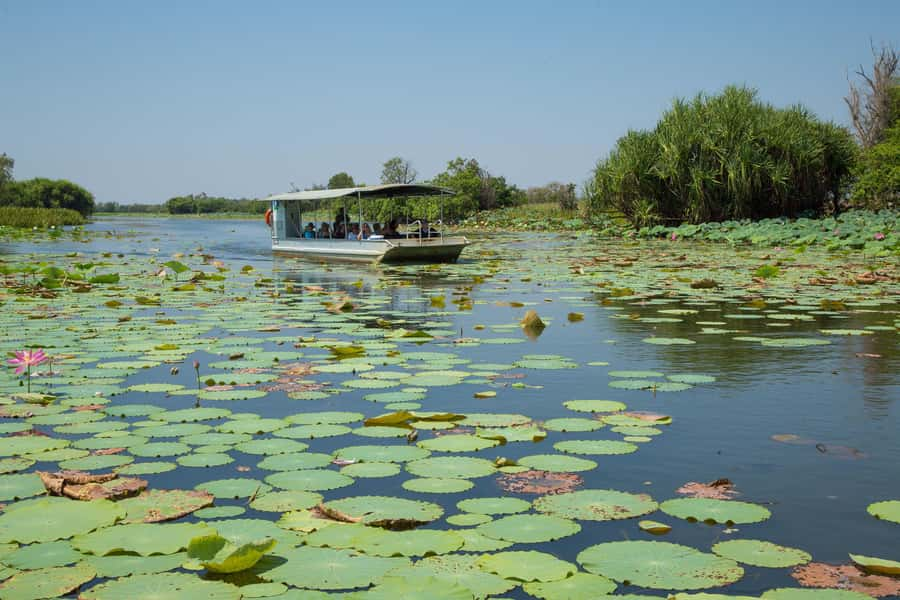
Darwin has plenty of short wildlife outings, but this one gives you time to settle into the wetland. The cruise lasts long enough for the boat to move through several stretches of water without rushing each sighting. If a crocodile appears, the guide can pause, point it out, and help you follow its position.
That slow pace matters. You are not simply ticking off a crocodile photo and heading back to shore. You get time to notice how the birds use the reeds, how lilies spread across the water, and how a crocodile can seem to disappear despite being close by.
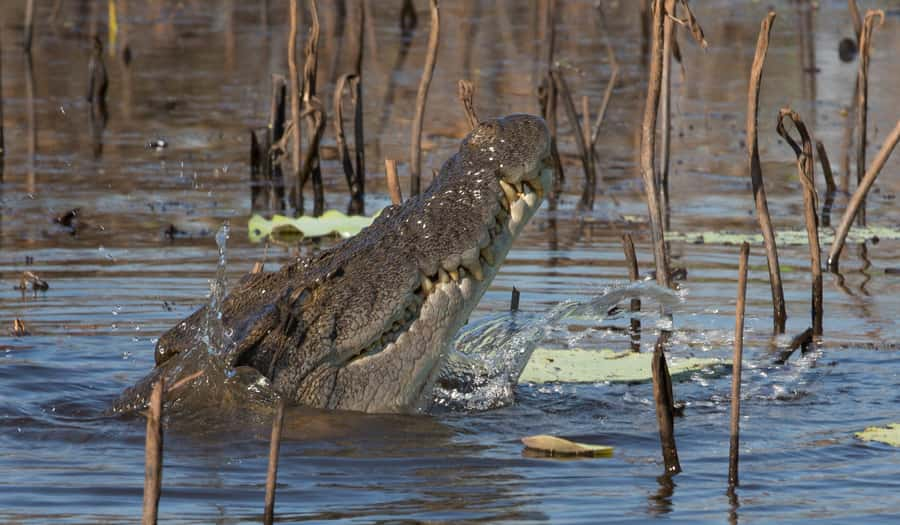
The Mary River Wetlands are also known for a very high concentration of saltwater crocodiles. You may see both saltwater and freshwater crocodiles during the cruise, along with water buffalo and a large range of birds. Sightings vary with conditions, but the day is built around animals in their natural setting, not staged encounters.
The boat is open air, which is a major advantage for wildlife watching. You have fewer barriers between you and the water, and photography is easier than it would be through a window. The tradeoff is exposure to sun, heat, and glare, so arrive prepared.
More River Cruises in Australia
- River Cruise
★ 5.0 · 1,980 reviews - Melbourne: 2-Hour City Highlights River Cruise
★ 4.1 · 1,804 reviews - Solar Whisper Daintree River Crocodile and Wildlife Cruise
★ 5.0 · 1,663 reviews
The 9:00 AM pickup from Darwin
The day begins with pickup from the Darwin hotel selected during booking. You are asked to wait outside or in the lobby, and the planned pickup time is around 9:00 AM. A previous delay of about 30 minutes was communicated by phone, so keep your phone available and do not schedule anything immediately after the tour.
Transport is in an air-conditioned vehicle with a maximum of 20 passengers. The air conditioning is welcome in the Top End, especially during the warmer part of the year. Vehicle comfort can vary, and one account described an older bus with cramped seats, so this is not the trip for someone who needs generous legroom.
The drive is part of the experience. Guides have used the road time to explain Darwin, local events, the countryside, weather patterns, and the region’s plants and animals. Cam has been praised for mixing history with amusing local stories, while Evan has covered topics ranging from Cyclone Tracy and World War II to Aboriginal culture and wetland ecology.
That commentary helps the day feel connected rather than like a simple transfer to a boat ramp. It also gives you useful context before you reach the reserve.
Fogg Dam, from rice project to bird refuge
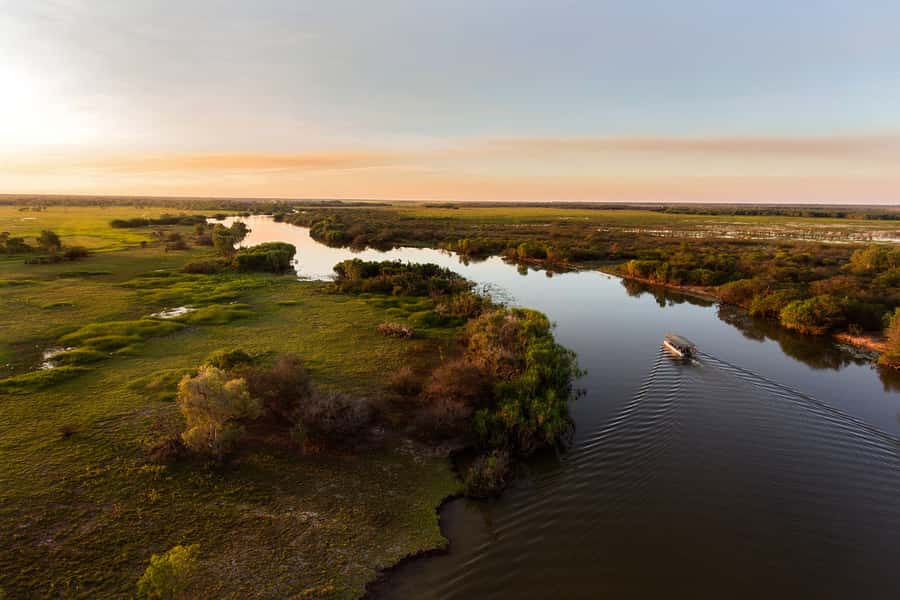
Fogg Dam Conservation Reserve began as a large rice-growing project in the 1950s. The farming plan did not become the lasting success its founders hoped for, but the dam later became an important wetland area and a haven for birds.
You normally make a short visit here before continuing to the information centre. The stop gives you a first look at the floodplain environment and a chance to see wildlife from land. Depending on conditions, you might spot birds or other animals before the main cruise begins.
Do not expect a long walking visit. The schedule has to allow time for the 2.5-hour boat trip, and one person would have preferred more time at Fogg Dam. If you are especially interested in birding from shore, this may feel like the briefest part of the day.
Still, the stop has value. It shows how human plans changed the area and how wetlands can take on a new role. It also gives you a useful visual introduction to the broad floodplain before you see the waterways from the boat.
Window on the Wetlands and the Adelaide River floodplain
A short drive takes you to the Window on the Wetlands Information Centre. The hands-on displays explain how wetlands work, and the upper viewing deck provides a wide view over the Adelaide River floodplains.
This is a good pause between the road journey and the cruise. You can gather the basic facts about seasonal water, wetland plants, and the animals that depend on this habitat. The viewing deck also helps you understand the scale of the floodplain, something that can be hard to grasp from a narrow road or boat channel.
The centre is not the main attraction, and you should not book this tour expecting a museum-heavy day. Its role is to make the later cruise more meaningful. Once you are on the water, you will recognize that the birds and crocodiles are part of a larger wetland system, not isolated sights.
Same water, a different boat:
- All Inclusive Blue Mountain,Scenic World,Lunch,Koalas,ferry
★ 5.0 · 7,832 reviews - Great Barrier Reef Snorkeling and Diving Cruise from Cairns
★ 4.5 · 3,714 reviews - From Cairns: Great Barrier Reef Cruise by Premium Catamaran
★ 4.9 · 3,567 reviews - Whitehaven Beach and Hill Inlet Lookout Snorkeling Cruise
★ 5.0 · 2,953 reviews
What you see during the 2.5-hour open-air cruise
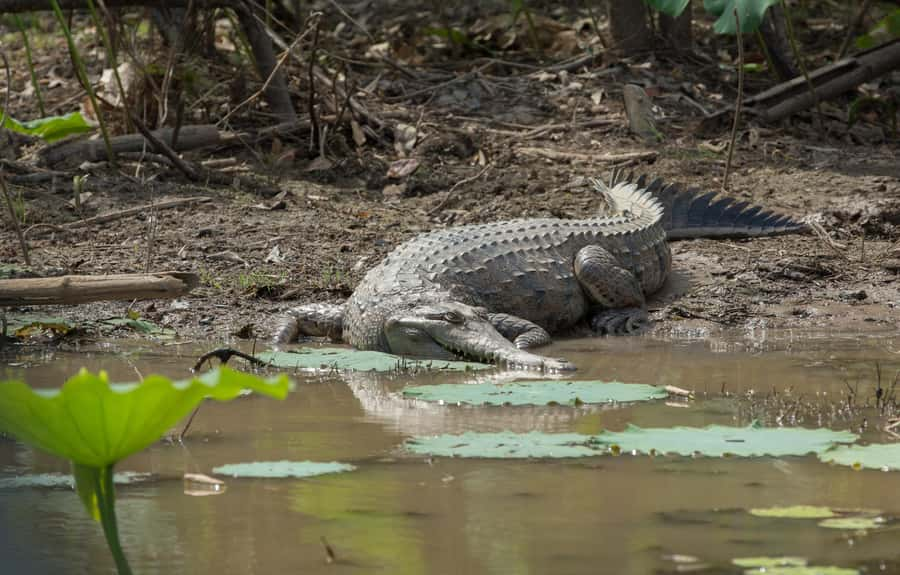
The cruise is the heart of the outing. The boat carries up to 29 passengers, so it is not a private charter, but it is still a manageable size for wildlife viewing. The open sides make it easier to look in several directions and keep watch for movement along the water’s edge.
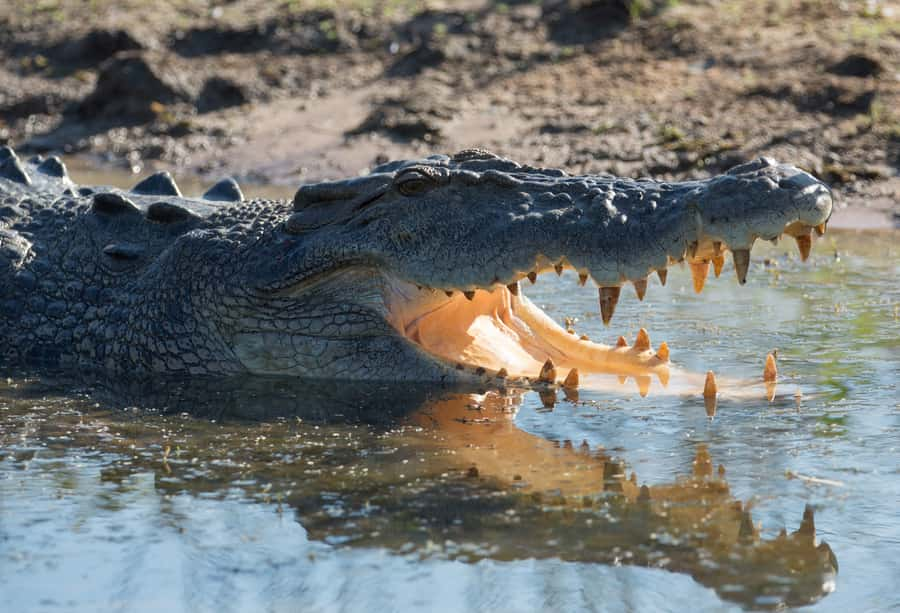
Saltwater crocodiles are the headline sight. You may see large adults, smaller crocodiles, or just the eyes and ridged back of an animal lying still. Freshwater crocodiles can also appear. The guide’s job is important here, since an experienced eye can pick out a shape that blends into the mud, grass, or water.
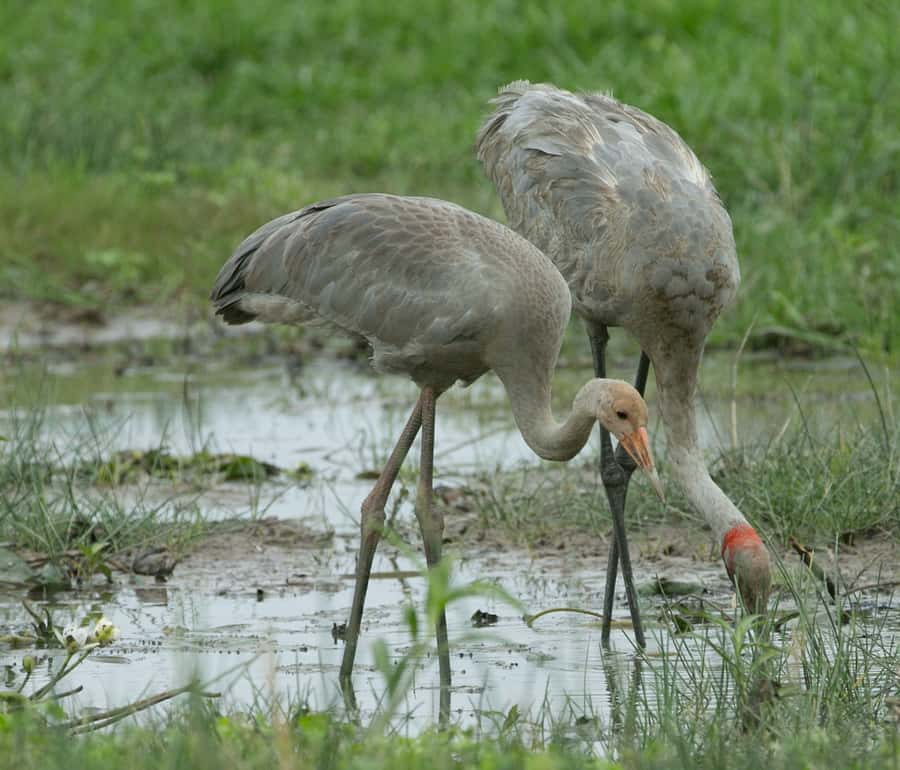
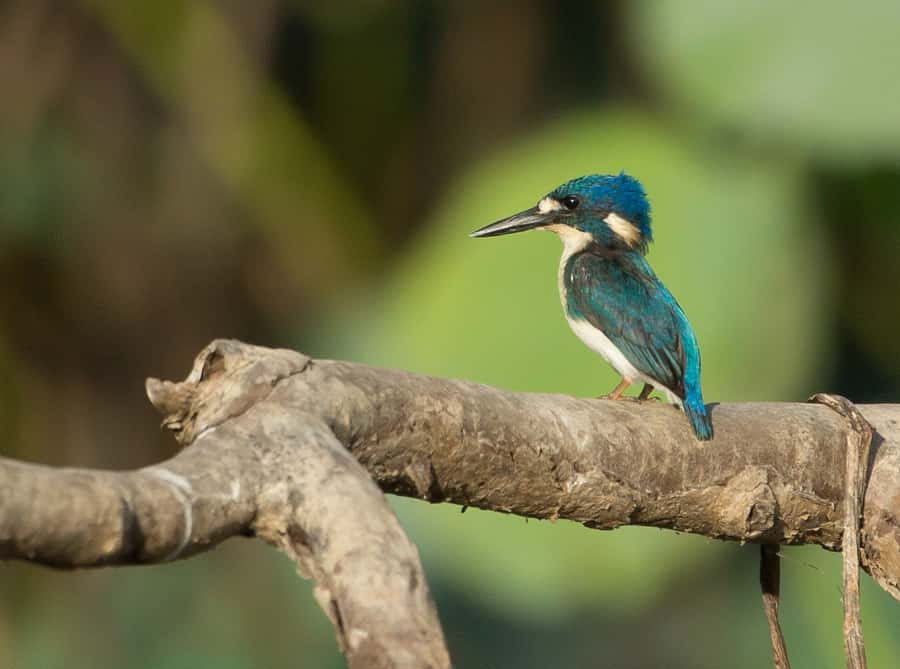
Birdlife is just as important. Around 30 species may be seen on a typical cruise, though the exact number depends on the day. Sightings described during this experience have included jabirus, sea eagles, brolgas, and many other wetland birds. Lotus flowers and masses of lilies add color and texture close to the water.
Water buffalo may also be seen. They are a memorable bonus, especially when viewed against the broad floodplain. The appeal of the cruise is the variety: you are not relying on one big crocodile sighting to make the trip worthwhile.
Guides have made a point of moving the boat so people on different sides can see the animal or bird being discussed. That is helpful on a group outing, where a single angle can otherwise leave half the boat staring at someone else’s camera.
Lunch on the water
Lunch is served during the wetland cruise. It is a cold meal rather than a hot café lunch, but it is designed to be filling. You receive individual pre-packed salads with dressing, along with cold sliced meats and bread for making sandwiches. Iced water is included.
The meat selection has included beef, ham, and salami. Several people found the portion generous, and one described it as the best lunch they had received on a day tour. Another found it simple but adequate. That is the fairest way to view it: substantial, fresh, and practical, but not a restaurant meal.
Vegetarian food is available in the form of salad, though it has been described as adequate rather than exceptional. If you have strict dietary needs, confirm what can be provided before booking. The supplied information does not promise a broad range of special diets.
Eating on the boat is part of the charm. You can have lunch while watching the water and wildlife rather than losing an hour at a separate venue. Keep your camera and hat secure, and use the meal as a chance to rest your eyes from searching for birds.
The guides can shape the whole day
The strongest part of this experience is often the guide. Names associated with the tour include Cam, Evan, Richard, Luke, and Paul, with individual guides changing by departure. Do not assume you will have a particular person, but you can expect an English-speaking guide with local experience.
Cam has been noted for clear commentary, regional stories, and making sure people had a good view from the boat. Richard has been praised for explaining birds and crocodiles in a friendly way. Evan has led many memorable days with commentary on ecology, history, culture, safety, and wildlife.
The best guides do more than list species. They explain why the wetlands matter, how animals use the habitat, and how people have shaped the Northern Territory. That makes the drive, viewing centre, and cruise feel like parts of one story.
Safety guidance is also important. You are near crocodile habitat, so listen carefully to instructions about behavior around the water. The guides have been described as taking safety seriously while keeping the tone relaxed and good-humored.
Is the $166 price good value?
At $166 per person, this is not a cheap half-day outing. It is an eight-hour excursion that includes hotel pickup and return, transport, two land-based stops, a 2.5-hour cruise, lunch, iced water, and a guide for the full day.
I consider the price reasonable if you want a complete day without arranging a car, finding the reserve yourself, or booking separate activities. The boat trip alone is the main cost driver, while the road commentary and two stops add useful context.
The value is strongest for visitors with limited time in Darwin. You see several parts of the wetlands in one organized day, and you do not need to manage remote roads or coordinate lunch. It is also good value for bird lovers, photographers, and anyone who wants a serious wildlife outing rather than a quick city attraction.
It may feel expensive if your main goal is simply to see one crocodile or if you dislike long drives. You are paying for the full setting, guide, transport, and time on the water, not just a guaranteed animal encounter.
Who should book this experience?
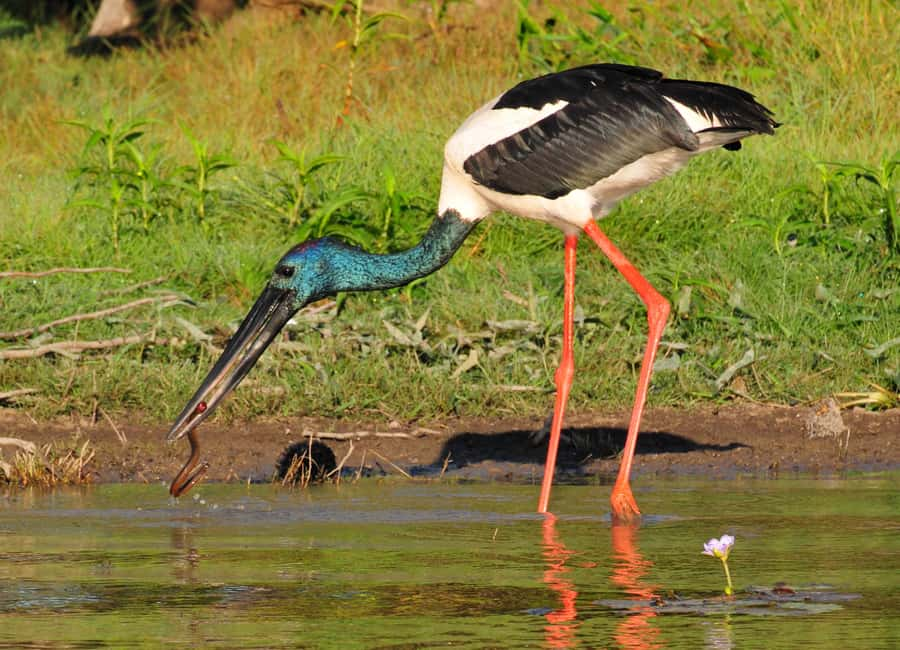
I would choose this tour if you enjoy birds, crocodiles, ecology, photography, and local stories. It suits first-time visitors to Darwin who want a clear introduction to the Top End wetlands, as well as repeat visitors who want another chance to see Fogg Dam and the Mary River.
It is especially suitable for adults and older children who can manage a full day, road travel, heat, and a boat ride. The tour is not recommended for children under five, cannot accommodate wheelchair users, and is not suitable for people over 309 pounds, or 140 kilograms.
Bring binoculars if you have them. A camera with a useful zoom lens will help, but even a phone can capture good images when the boat is close to the wildlife. Sunglasses, a sun hat, sunscreen, and a refillable water bottle are essential practical items.
The tour runs in English, and free cancellation is available up to 24 hours before departure. You can also reserve now and pay later, which helps if your Darwin plans are still shifting.
Should you book the Mary River Wetlands cruise?
Book it if you want a full wildlife day from Darwin, with transport, lunch, interpretation, and a long cruise handled for you. The combination of crocodiles, birdlife, lilies, water buffalo, Fogg Dam, and floodplain views gives you a broad taste of the Top End.
Skip it if you need wheelchair access, dislike group transport, or want a short outing with little time on the road. Also keep your expectations realistic: wildlife is plentiful in this habitat, but no guide can promise a particular bird or crocodile.
For most nature-focused visitors, I would book it early in a Darwin stay. It gives you a strong introduction to the wetlands, and the guides add the local detail that turns a boat ride into a much better understanding of the region.
FAQ
How long does the Mary River Wetlands tour last?
The tour lasts about eight hours. Pickup is scheduled around 9:00 AM, and return to your Darwin accommodation is expected at about 5:00 PM.
Is hotel pickup included?
Yes. Pickup and return transfer from the Darwin hotel selected during booking are included. You should wait outside the hotel or in the lobby.
How long is the wetland cruise?
The open-air cruise lasts 2.5 hours and includes lunch and iced water.
What wildlife might I see?
You might see saltwater and freshwater crocodiles, many bird species, water buffalo, lotus flowers, lilies, jabirus, sea eagles, and brolgas. Around 30 bird species are commonly seen on these cruises, although sightings vary.
What is included for lunch?
Lunch includes individual pre-packed fresh salads with dressings, cold sliced meats, bread, and iced water. The meats can include beef, ham, and salami.
How many people are in the group?
The air-conditioned road vehicle has a maximum of 20 passengers. The open-air cruise vessel has a maximum of 29 passengers.
Is the tour suitable for young children?
The tour is not recommended for children under five years old.
Can wheelchair users join the tour?
No. This tour cannot accommodate wheelchair users.
What should I bring?
Bring sunglasses, a sun hat, sunscreen, a camera, binoculars, and a reusable water bottle. Travel insurance is also recommended.
More Boat Trips with Lunch in Australia
- From Hervey Bay: Remote K’gari Tour by Boat with Lunch
★ 4.9 · 1,229 reviews - Sydney Whale-Watching Cruise Including Lunch or Breakfast
★ 4.5 · 878 reviews - Maria Island Cruise and Guided Walk Day Tour with Lunch and Drinks
★ 5.0 · 617 reviews - Gold Coast: Sightseeing Cruise with Buffet Lunch
★ 4.8 · 593 reviews
More Wildlife Trips in Australia
- 1-Hour Daintree River wildlife cruise
★ 5.0 · 947 reviews - Cairns: Daintree Rainforest Wildlife Experience Cruise
★ 4.6 · 349 reviews - Daintree: River Rainforest Crocodile & Wildlife Cruise (DV)
★ 4.6 · 346 reviews - Miami: Everglades National Park Airboat Tour & Wildlife Show
★ 4.5 · 7,296 reviews
Just added around Australia
- From Hervey Bay: Remote K’gari Tour by Boat with Lunch★ 4.9 · 1,229 reviews
- Port Douglas: Quicksilver Outer Barrier Reef Full-Day Cruise★ 4.8 · 506 reviews
- Port Douglas: Sunset Sailing Cruise on Luxury Catamaran★ 4.6 · 342 reviews
- Port Stephens: Dolphin Discovery Cruise★ 4.4 · 926 reviews
- Port Douglas: River Cruise, Crocodile Spotting, Drink/ Snack★ 4.6 · 353 reviews
- Port Arthur Tasman Sights with Harbour Cruise★ 4.8 · 358 reviews
- Port Douglas: Outer Great Barrier Reef Snorkeling Cruise★ 4.9 · 711 reviews
- Port Douglas: Low Isles Glass Bottom Boat & Snorkeling Tour★ 4.7 · 469 reviews
Darwin Boat Tours, compared.
Litchfield National Park and Jumping Crocodile Cruise
Read our review →
Sunset 3-Hour Cruise from Darwin with Dinner and Sparkling Wine
Read our review →
Litchfield Park Tour & Jumping Crocodile Cruise
Read our review →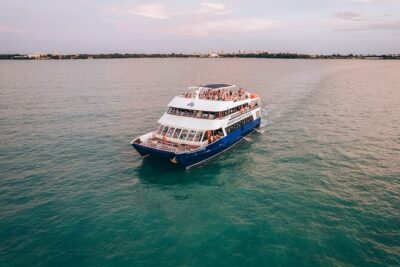
Browse the lists this tour appears in